
The Caffeine-Fatigue Cycle: Why Coffee Might Be Making You More Tired

Coffee is the most widely consumed mood-altering substance in the world. For most people, it's the first thing they reach for in the morning and the thing they reach for again when the afternoon slump hits. And it's not as bad for you as is so often reported. Still, it feels like a great and reliable source of energy. But continually using it for this purpose can be problematic.
If you're looking for supplements for steady energy without caffeine, you've already noticed something important: the coffee may not be working anymore. Or it's working for shorter windows. Or it's working in the morning but creating a crash that makes the afternoon worse than it would have been without it. Or worse, you drink it, feel energized and then get jittery and then get tired a few hours later, and then you may even feel anxious as if you are on a drug.
This article explains the specific mechanism behind the caffeine-fatigue cycle, which nutrients caffeine depletes, and how to build energy that doesn't depend on overriding your body's signals.
How Caffeine Actually Works
Coffee doesn't create energy. It doesn't add anything to your system. In pharmacology, caffeine is called an adenosine receptor antagonist. Unlike food, it doesn't provide the raw materials your cells use to produce energy. Instead, caffeine temporarily masks one of the brain's signals for fatigue.
Throughout the day, your brain accumulates adenosine, a molecule that helps create the sensation of sleepiness and contributes to the body's natural sleep-wake cycle. Caffeine blocks many of the receptors that adenosine normally binds to, making you feel more alert even though the biological processes that generate fatigue continue.
As caffeine levels decline, adenosine can once again bind to its receptors. For some people, this results in a noticeable return of sleepiness or an afternoon "crash." In that sense, caffeine doesn't eliminate fatigue — it temporarily postpones awareness of it.
This is why the afternoon crash after morning coffee feels worse than the tiredness would have been without the coffee. You didn't avoid the fatigue. You delayed it, and it returned stronger.
Where the "Energy" Actually Comes From
So if caffeine doesn't add fuel to the system, where does the lift actually come from? It stimulates the body's alertness response and temporarily reduces the perception of fatigue.
One way it does this is by increasing the activity of stress-related hormones such as adrenaline. These hormones help mobilize stored energy reserves — including glycogen (stored sugar) from the liver and fatty acids from fat tissue — making more fuel available to the body when needed.
Under ideal circumstances, energy is produced efficiently through normal metabolic pathways that depend on nutrients from food, including B vitamins. Caffeine doesn't directly support these pathways. Rather, it influences the body to draw upon existing reserves while temporarily masking signals of fatigue.
The cost may show up in two ways:
1. Increased nutrient demand. The production and regulation of stress hormones involve several nutrients, including vitamin C and certain B vitamins. Periods of chronic stress may increase the body's need for these nutrients. Because caffeine can also increase urine output in some individuals, maintaining adequate hydration and nutritional intake becomes even more important.
Specific nutrients caffeine depletes:
| Nutrient | How Caffeine Depletes It | What the Depletion Causes |
|---|---|---|
| B1 (Thiamine) | Diuretic effect flushes this water-soluble vitamin | Fatigue, nerve dysfunction, poor energy metabolism |
| B12 | Diuretic loss; caffeine may also interfere with absorption | Fatigue, brain fog, nerve tingling, mood changes |
| Vitamin C | Used in cortisol production triggered by caffeine; flushed by diuretic effect | Weakened immune function, poor adrenal recovery |
| Calcium | Caffeine increases urinary calcium excretion | Over time, contributes to bone loss |
| Iron | Caffeine interferes with iron absorption in the gut | Fatigue, cold hands and feet, difficulty concentrating |
| Magnesium | Diuretic effect; also increased demand from stress response | Muscle tension, poor sleep, anxiety, headaches |
2. Chronic stimulation. Frequent caffeine use may encourage reliance on stimulation rather than addressing underlying causes of fatigue such as inadequate sleep, poor nutrition, excessive stress, or overwork. Over time, some people describe feeling "wired but tired" — mentally stimulated yet physically fatigued.
The net effect is that caffeine can create the feeling of increased energy without actually supplying the nutrients required for energy production. It may temporarily improve alertness, but it does not replace the need for sleep, recovery, and proper nutrition.
How to Tell If You're in the Cycle
You might be in the caffeine-fatigue cycle if:
- You can't function in the morning without coffee
- You get a headache if you skip a day
- Your afternoon crash has gotten worse over months or years
- You need coffee to do things you used to do without it
- You feel tired but can't fall asleep at night
- Weekends feel worse than workdays (less caffeine, more fatigue)
- You've increased your intake over time (1 cup became 2, then 3)
The headache test is often a sign that your brain has adapted to regular caffeine intake. Over time, the brain compensates for caffeine's blockade of adenosine receptors by increasing the number and responsiveness of some of those receptors. When caffeine is suddenly removed, adenosine can once again bind to them, leading to increased sleepiness, fatigue, and, in many people, a withdrawal headache.
This same adaptation helps explain caffeine tolerance. As the brain adjusts to regular caffeine exposure, the stimulating effect of a given dose may become less noticeable. Many people find that the cup of coffee that once made them feel energized has a weaker effect over time, leading them to consume larger amounts to achieve the same level of alertness.
How to Reduce Caffeine Without Suffering
Quitting cold turkey works, but it's miserable. Headaches, fatigue, irritability for 7-10 days. A gradual reduction is more sustainable and more likely to stick. Here is something you can try to see if it works for you:
Week 1: Keep your morning coffee. Replace your afternoon coffee with water or ginseng tea. If you drink more than 2 cups, cut one cup.
Week 2: Reduce to one cup in the morning. Drink it with or after breakfast (not on an empty stomach — this reduces the blood sugar spike-and-crash that caffeine can trigger).
Week 3: If you want to continue reducing, switch to half-caffeinated or a smaller cup. Or stay at one morning cup — for most people, this is a sustainable baseline that doesn't drive the fatigue cycle.
During the transition: Expect the first 3-5 days to feel harder. This is the adenosine receptor adjustment, not a sign that you "need" the caffeine. Drink extra water. Eat B-vitamin-rich foods. Go to bed 30 minutes earlier than usual.
What to replace it with
- Water. Dehydration mimics fatigue. When the afternoon slump hits, drink a full glass of water before deciding if you need anything else.
- Ginseng tea. Ginseng has been traditionally used as an adaptogen — it supports the body's stress response without the spike-and-crash pattern of caffeine.
- A small snack with protein. If the afternoon slump is blood-sugar-driven (which it often is), a handful of almonds or sunflower seeds addresses the actual cause.
- A 10-minute walk. Physical movement after lunch improves blood flow and helps glucose enter cells, smoothing the afternoon energy curve.

Building Energy That Lasts
Steady energy — the kind that carries you from morning through evening without crashes — comes from feeding the energy-producing pathway inside your cells.
Your cells convert food into energy through a series of chemical reactions that need B-complex vitamins, magnesium, iron, and other cofactors. When these nutrients are arriving through regular meals, your energy is steady. When they're depleted — by caffeine, stress, sugar, or a nutrient-poor diet — your body turns to the backup system: the adrenal glands and their stress hormones.
The foundation:
- Eat protein and fat at breakfast. Eggs, sunflower seeds, almonds, avocados, coconut butter, olive oil. This stabilizes blood sugar for the morning and reduces the need for caffeine.
- Eat every 3-4 hours. Small meals or snacks with protein prevent the blood sugar dips that trigger fatigue and caffeine cravings.
- Add B-vitamin-rich foods daily. Nutritional yeast, beet root, leafy greens, eggs, sunflower seeds. These feed the cellular energy pathway directly.
- Reduce refined sugar. Sugar requires B vitamins to metabolize and creates the same spike-and-crash pattern as caffeine. Sugar is everywhere these days, so read your package labels carefully and beware of sugar that goes by other names than just "sugar," such as brown sugar, cane sugar, beet sugar, powdered sugar, turbinado sugar, syrup, agave, sucrose, fructose, dextrose, and so on.
- Move your body daily. Even 10 minutes improves cellular energy production, the movement of lymph that helps your body detoxify, cardiovascular circulation, and nutrient delivery.
When supplementation helps:
If you've been in the caffeine-fatigue cycle for years, your B-vitamin and vitamin C stores may be significantly depleted. Dietary changes rebuild these stores, but the process takes time. A whole food B-complex like BFood can help bridge the gap during the transition, providing the nutrients your cells need in the food form your body recognizes.
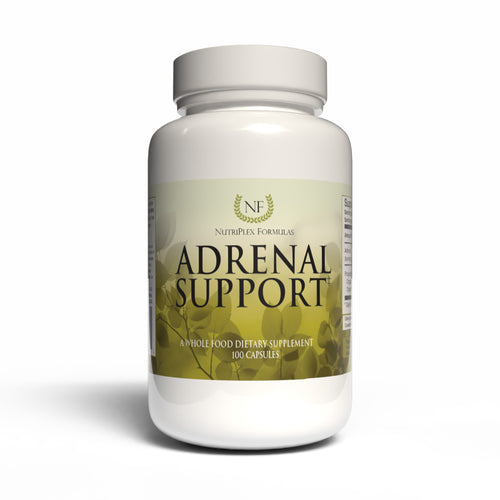
For people whose adrenals have been running overtime — years of multiple cups of coffee per day plus chronic life stress — Adrenal Support provides targeted nutrition for the adrenal glands while they recover from chronic overactivation.
These supplements don't replace caffeine. They feed the bodily systems, which makes caffeine unnecessary.
Frequently Asked Questions
Is one cup of coffee a day harmful?
For most people, one cup in the morning is fine. The issues arise with afternoon caffeine (disrupts sleep), dependence (needing coffee to function), and high intake (3+ cups daily, which deepens the depletion cycle). Some people suffer from anxiety, irregular heartbeat, the jitters, and so on. In this case, coffee is not for you. For many, though, one cup with breakfast is a reasonable baseline.
Why do I feel worse when I cut back on coffee?
Your brain has adapted to the presence of caffeine by growing extra adenosine receptors. When caffeine is removed, those extra receptors create an exaggerated sleepiness signal. This adjustment takes 7-10 days. It's temporary, and it's a sign that your brain was in an adapted state, not a sign that you need the caffeine.
Can green tea replace coffee?
Green tea contains caffeine but in lower amounts — typically a fraction of what a cup of coffee provides. It also contains L-theanine, an amino acid that promotes a calmer kind of alertness without the jittery stimulation of coffee. For people transitioning off coffee, green tea can be a useful intermediate step.
What are the best supplements for steady energy without caffeine?
A whole food B-complex (like BFood) provides the nutrients your cells use to produce energy. Adrenal Support provides targeted nutrition for the stress-response system. Together, they address the two systems involved in energy production — the primary system and the backup. Both work best alongside the dietary and lifestyle changes described in this article.
Does decaf coffee have the same nutrient-depleting effects?
Decaf still contains small amounts of caffeine and may have some diuretic effect, but significantly less than regular coffee. The main concern with decaf is the processing method — many commercial decaf coffees use chemical solvents (including hexane). Look for organic, sustainable or regeneratively grown decaf coffee that is made with a water-process or Swiss Water Process.
How long does it take to feel normal energy without caffeine?
Most people report a significant improvement in baseline energy within 2-3 weeks of reducing caffeine and adding B-vitamin-rich foods. The first week is typically the hardest. By week 3-4, many people find their natural energy is steadier and more reliable than the caffeine-driven pattern was.
Can I still drink coffee if I take BFood?
Yes. BFood helps replenish some or all of the B vitamins that caffeine depletes (this is dependent on your particular health profile and coffee habit). But the most benefit comes from reducing caffeine to a sustainable level (one morning cup) while rebuilding your nutritional foundation. Taking BFood to compensate for heavy caffeine use is better than nothing, but it's addressing the depletion without fixing the cause.
Why does coffee work for some people and not others?
Genetics play a role in caffeine metabolism. Some people process caffeine quickly (fast metabolizers) and experience fewer negative effects. Others process it slowly and are more susceptible to disrupted sleep, anxiety, and the fatigue cycle. But regardless of metabolism speed, the nutrient depletion effects are the same for everyone.
Products Mentioned in This Article


These statements have not been evaluated by the Food and Drug Administration. This product is not intended to diagnose, treat, cure, or prevent any disease.