
Adrenal Support, B Vitamins, Energy
Tired All the Time? The Natural Supplements That Help

You know the feeling. The alarm goes off and you're already behind. You drag yourself through the morning, hit a wall around 2 pm, reach for another cup of coffee, an energy bar, cupcake, or other sugar fix, and wonder why you feel like you haven't slept in a week. Even when you've had seven or eight hours. Unfortunately, this is typical in our busy world.
This kind of tiredness doesn't come just from a bad night's sleep. It's often something deeper.
If you've been searching for natural supplements for low energy, you're probably at the point where you know caffeine and power bars aren't solving it. The fatigue keeps coming back, and you want to understand why.
Your body's cells create energy from nature's nutrients. When these nutrients are missing from your diet, or when your stress response has been running on overdrive for months (or even years!), no amount of sleep is going to fix how you feel. The real issue isn't how to push through the tiredness. It's what your body is actually missing, what it really needs.
I've spent more than 30 years as a nutrition researcher and formulator working with people who feel exactly this way. And what I've found, again and again, is that the fatigue almost always traces back to a few key nutrient gaps that most people don't know they have. There are other possible factors, too, but everything starts with nutrition, because it's fundamental.
What follows is what's happening in your body, what to look for in a supplement, and how to tell the difference between supplements that help and ones that don't.
Why you're so tired
Most people assume their fatigue is about sleep, or stress, aging, or perhaps overworking. These factors matter. But the root cause of persistent exhaustion has a missing nutritional component.
Nutrient depletion from stress and poor diet. When your body is under stress, physical or emotional or work-related, it burns through B vitamins, vitamin C, and minerals, and it requires more of these nutrients than usual. If your diet isn't replenishing these nutrients (and for most people eating a modern diet, it's not), you end up running on fumes. The stress doesn't stop, the nutrients don't get replaced, and the fatigue builds. This can lead to other issues as well.
Adrenal gland exhaustion. Your adrenal glands produce hormones that help you respond to stress, maintain blood pressure, regulate blood sugar, and mobilize energy. When stress is constant, weeks and months and years of it, the adrenals may get overworked. They can't keep up. The result feels like a deep fatigue that even stimulants can't touch.
Blood sugar swings. If your diet contains refined carbohydrates and sugar, because you're trying to find a source of energy, your blood sugar levels spike and crash throughout the day. Each crash often leads to a wave of tiredness, brain fog, and cravings. Over time this pattern may affect organs and bodily systems, which makes the exhaustion worse.
Sedentary habits. This one surprises people. Sitting all day reduces cardiovascular efficiency, makes the lymphatic system stagnant, and may limit how much oxygen gets delivered to your tissues. Your cells need oxygen to make energy. Less movement means less oxygen means more fatigue. Regular physical activity, even a daily stroll, yoga, or taking frequent breaks to stretch and walk around supports energy by improving circulation.
Caffeine dependence. Caffeine stimulates the nervous system and can increase the release of stress hormones such as adrenaline and cortisol, producing a temporary increase in alertness and energy. In many individuals, excessive caffeine intake may contribute to sleep disruption, fatigue, the jitters, irregular heartbeat, and/or a greater reliance on stimulants for energy.
Medications. Birth control pills, antihistamines, blood pressure medications, and many other common drugs can deplete B vitamins, magnesium, and other nutrients essential to energy production. If you're on a long-term medication, this is worth looking into with your doctor. But the truth is that even under a doctor's care, you still need real food nutrients to support your cells. After all, you don't stop eating just because you are on a prescription, right?
The common thread here is that fatigue may point to a depletion or strong need for nutrients instead of stimulants or more sleep. And it may lead to other health issues. Your body is asking for something it's not getting.

How your body actually makes energy
Most of your body's cells contain tiny structures called mitochondria. Think of them as energy factories. Their job is to convert the food you eat into ATP, the molecule your cells use as fuel.
This conversion process requires a complex network of nutrients working together. B vitamins help drive the metabolic pathways — including the Krebs cycle and electron transport chain — that convert fats, proteins, and carbohydrates into usable energy. You don't need to understand the biochemistry. Just know that without adequate amounts of nutrients your cells' energy production becomes less efficient.
But B vitamins do not work alone. They depend on numerous supporting nutrients that occur naturally in food alongside the vitamin content. Magnesium participates in hundreds of enzymatic reactions throughout the body, many of them involved in energy metabolism. Iron helps transport oxygen to your tissues, allowing the mitochondria to carry out aerobic energy production. Vitamin C is concentrated in the adrenal glands and plays a role in the synthesis of hormones involved in the body's response to physical and emotional stress. We could go on and on.
Energy is not produced by a single nutrient acting in isolation. And this is the argument for not trying to solve your energy or health problem with isolated vitamin and mineral pills. We all need many nutrients and physiological systems working together, in balance and harmony. When one or more food components are lacking, the efficiency of the entire system may decline.
A single megadose vitamin pill rarely resolves fatigue by itself. Fatigue can arise from many causes, and energy production depends on a broad spectrum of nutrients. Whole foods provide those nutrients alongside a diverse array of naturally occurring synergists that participate in the body's intricate biochemical processes.
Why most energy supplements don't work
Walk into any supplement aisle and you'll find dozens of supplements, drinks, and powders promising more energy. Most of them fall into two categories, and neither one addresses the real problem.
Stimulant-based supplements. These often contain caffeine anhydrous, guarana, taurine, or other ingredients intended to increase alertness and stimulate the nervous system. Many energy drinks, powders, and supplements also contain refined sugars or other rapidly absorbed carbohydrates. While these products may provide a temporary boost in energy and mental focus, the effect is short-lived and may be followed by fatigue, irritability, or renewed cravings. They do not address the underlying causes of low energy, such as poor nutrition, inadequate sleep, chronic stress, or nutrient deficiencies. Instead, they may mask the symptoms of a real deficiency while encouraging greater reliance on stimulation. Over time, this may contribute to sleep disruption, increased stress hormone activity, emotional imbalances, and fluctuations in blood sugar levels, all of which can affect, and be affected by, energy levels and well-being.
Synthetic vitamin isolates. These are laboratory-produced compounds designed to mimic naturally occurring vitamins. On the label, you'll see names such as pyridoxine HCl (vitamin B6), thiamine mononitrate (vitamin B1), niacinamide (vitamin B3), cyanocobalamin (vitamin B12), and ascorbic acid (vitamin C). Unlike vitamins that occur naturally in whole foods, these isolated compounds are manufactured through industrial processes that may involve petrochemical feedstocks, fermentation technologies, chemical synthesis, and various processing agents. The result is a purified vitamin compound rather than the complex of nutrients and cofactors found in nature.
The problem with synthetic isolates is that they come without the cofactors (helper nutrients) your body needs to use them. When you eat a food that contains B vitamins, like rice bran, liver or barley, for example, you get the vitamins along with the other nutrients found in that food, including trace minerals, enzymes, coenzymes, and other compounds that allow your body to use it like nature intended.
On the other hand, when you eat an isolated synthetic, your body has to supply important missing cofactors from its own reserves. If your reserves are already low (and they usually are, because that's why you're fatigued), the vitamin can't be used effectively.
Then there's what I call the confusing label issue: Some companies add synthetic vitamins to a growing yeast culture during manufacturing. The yeast absorbs and metabolizes these compounds, and the finished product is marketed as "food-grown," "food-cultured," or "whole-food-based." While the vitamin may now be associated with the yeast, it did not originate as a naturally occurring nutrient within a food. It began as a laboratory-produced vitamin isolate that was subsequently incorporated into the culture.
Another trick of the vitamin trade is to spike or enrich whole food ingredients with isolated vitamins or minerals. This contradicts the very philosophy for using whole foods in the first place.
There is no substitute for a vitamin that develops naturally within a food grown in living soil and nourished by sunlight, water, and the complex interactions of nature. The distinction may seem subtle, but it reflects two very different philosophies of nutrition: one begins with an isolated nutrient and attempts to place it into a food-like matrix; the other begins with a whole food and accepts the nutrient complex as nature produced it. Which do you trust your health and recovery with— lab technicians or the holism of nature?
The easiest way to tell the difference between the kind of nutrients you are getting in your supplements is to look at the Supplement Facts panel. If individual vitamins are listed at high, precise doses alongside food ingredients, such vitamins were likely added. Foods don't produce nutrients in uniform, high amounts. The value of a whole food supplement is in the complex nutrient structure, not in pharmaceutical dosages or quantities of milligrams.

The nutrients that support real, lasting energy
If you want to address fatigue at its source, these are the nutrients to focus on. For each one, I'll explain what it does in your body, how you'll feel when it's working, where to find it in food, and what to look for on a supplement label.
B complex vitamins
B vitamins are central to energy metabolism. They're the coenzymes that keep your cells' mitochondria converting food into ATP (the molecule that creates energy). They support nerve conduction, mood stability, mental clarity, cellular differentiation, and your body's ability to handle stress.
When your B vitamins intake is adequate, you notice it. The brain fog lifts. You can think more clearly. Your mood stabilizes. You have steadier energy through the day instead of peaks and crashes. But when they're depleted, you feel exhausted, foggy, anxious, the ups and downs of emotions, and often unable to cope with things that normally wouldn't bother you.
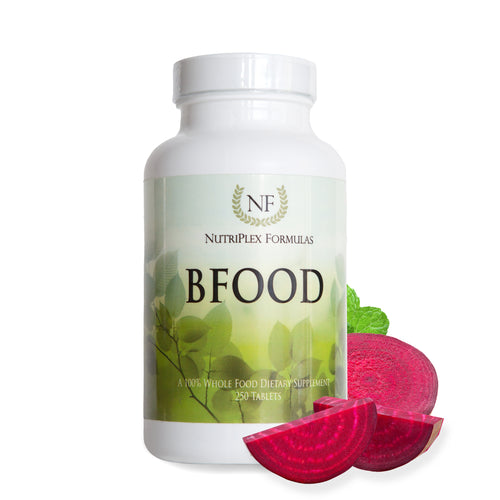
Food sources: Wheat germ, liver, beet root, oat bran, barley, brown rice, sunflower seeds, leafy greens, legumes. Several of these, including wheat germ, liver, beet root, and oat bran, are in our BFood supplement.
What to look for on a label: Actual food ingredients, not chemical names. If the label says "wheat germ, bovine liver, beet root powder, oat bran," you're looking at food. If it says "pyridoxine hydrochloride, thiamine mononitrate, niacinamide," these are synthetic chemicals made in a laboratory.
Our BFood supplement is a whole food B complex found only in nature's whole foods along with their cofactors. We never have and never will use the common isolated, laboratory-created chemicals sprayed onto a base.

Vitamin C
Long ago people began to associate vitamin C with a treatment to cure scurvy, a disease that ravaged sailors in the 18th century. And more recently, vitamin C has been recognized for its immune support. But it also plays an important role in energy metabolism and the body's response to stress. The adrenal glands contain some of the highest concentrations of vitamin C in the body, where it participates in the synthesis of hormones involved in stress adaptation, emergency bursts of energy, and energy regulation.
Periods of prolonged physical or emotional stress may increase the body's demand for vitamin C and contribute to lower tissue levels over time. Replenishing vitamin C found in whole foods provides not only the vitamin itself but also a variety of naturally occurring compounds, including bioflavonoids, phenolic acids, carotenoids, and other phytonutrients. Together, these natural substances contribute to the nutritional complexity of foods and support the body's ability to maintain normal physiological function during times of stress. Isolated vitamin C ascorbic acid supplements do not contain any of these helper nutrients, just a lab-made chemical resembling real vitamin C. But your body knows the difference.
Food sources: Camu camu, acerola cherry, apples, citrus fruits, berries, bell peppers, broccoli.
What to look for on a supplement label: Whole foods like camu camu or acerola cherry, not just "Vitamin C ascorbic acid." Ascorbic acid does two critical things: it protects other ingredients in a supplement from oxidation, and it acts as a powerful antioxidant in the body. It is still only one part of the vitamin C complex. The complete nutritional profile, as it exists in food, includes bioflavonoids, enzymes, and cofactors that help your body use it.
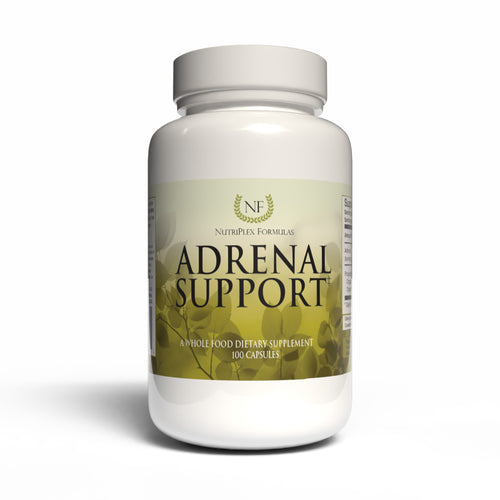
Adrenal Support contains organic acerola cherry as a vitamin C source, feeding the adrenal glands alongside the other ingredients in the formula.
Adaptogens: astragalus and ginseng
Adaptogens are herbs traditionally used to support the body's resilience to stress. Their function is not to stimulate or sedate. Using nutritional resources, they help your body adapt to what it's dealing with.
Astragalus membranaceus (astragalus root) has been used in traditional Chinese medicine for centuries to support energy, immune function, and recovery from prolonged illness or stress. People who take astragalus often report a steadier, calmer sense of energy. Not a spike, but a gradual improvement over weeks.
Korean ginseng (Panax ginseng) is another adaptogen traditionally used for fatigue and physical endurance. It supports the body's stress response without the jittery effects of stimulants.
What to look for on a label: The botanical name (Astragalus membranaceus, Panax ginseng) and ideally an organic certification or designation that the food or herb has been grown sustainably, wildcrafted, or at best regeneratively without toxic pesticides or fertilizers, or damage to the earth and environment. Avoid foods and herbs that are "standardized" with isolated chemical vitamins to create an artificial dosage of one or more specific plant chemicals. The value of a healing plant has to do with its naturally occurring nutrient complex, which does not exist in isolated vitamins or other chemicals.
BFood contains organic astragalus root as one of its active ingredients, contributing adaptogenic support alongside its B vitamin food sources. Adrenal Support contains acerola cherry and is formulated specifically to help the body during periods of chronic stress and adrenal fatigue.
Iodine
Iodine contributes to cellular energy production indirectly through its essential role in the production of thyroid hormones. Without adequate iodine, the thyroid gland cannot manufacture sufficient amounts of the hormones that regulate metabolism throughout the body.
Inside nearly every cell are structures called mitochondria, often described as the cell's "powerhouses."
Thyroid hormones help by:
- Increasing mitochondrial activity - T3 stimulates mitochondria to consume oxygen and nutrients more efficiently. - This accelerates the conversion of carbohydrates, fats, and proteins into ATP.
- Increasing mitochondrial number - Thyroid hormones promote the formation of new mitochondria, increasing the cell's energy-generating capacity.
- Enhancing nutrient utilization - They increase the rate at which glucose and fatty acids enter metabolic pathways. - More fuel becomes available for ATP production.
- Activating metabolic enzymes - T3 increases the production of enzymes involved in cellular respiration and energy metabolism.
What happens when iodine is deficient?
When iodine intake is too low: - Thyroid hormone production falls. - Cellular metabolism slows. - Mitochondria produce less ATP. - Oxygen consumption decreases. - The body conserves energy.
Food sources: The richest natural sources of iodine tend to come from the ocean because seawater contains iodine that becomes concentrated in marine plants and animals. Kelp, Kombu, Wakame, Nori, Dulse, and certain fish such as cod, haddock, shrimp, scallops, oysters, salmon, and sardines. Egg yolk and potatoes are other sources.
Caution: Do not take iodine without proper practitioner oversight, because too much can be harmful.
Iron
Iron is an essential component of hemoglobin, the protein in red blood cells that carries oxygen from your lungs to every cell in your body. Without adequate iron, oxygen delivery to tissues is impaired, and your cells cannot produce energy as efficiently. Iron deficiency is one of the most common nutrient deficiencies worldwide and is especially common among women of reproductive age.
Low iron levels may contribute to fatigue, pale skin, cold hands and feet, shortness of breath during mild exertion, dizziness, weakness, and difficulty concentrating. If these symptoms sound familiar, consider having your iron status evaluated by a qualified medical practitioner before supplementing. Excess iron can accumulate in the body and may cause serious health problems, so more is not necessarily better: don't self-medicate.
Food sources: Liver is one of the richest sources of highly absorbable iron. Vegetarian sources include lentils, beans, chickpeas, quinoa, pumpkin seeds, sesame seeds, tofu, tempeh, spinach, Swiss chard, beet greens, dried apricots, raisins, and blackstrap molasses.
To enhance absorption from plant foods, consume them with foods rich in vitamin C, such as citrus fruits, berries, kiwi, bell peppers, or broccoli.
What to look for on a label: Because both deficiency and excess iron can be problematic, testing your iron levels before consuming an iron supplement is strongly recommended. Let your doctor guide you. Meanwhile, foods containing iron offer a mild, natural source.
Greens and chlorophyll
Green foods like spirulina, chlorella, wheatgrass, barley grass, and alfalfa provide minerals, electrolytes, trace minerals, and phytonutrient cofactors that support cellular energy production, as well as other benefits. Chlorophyll, the green pigment in plants, is structurally similar to hemoglobin and supports the body's ability to carry oxygen.
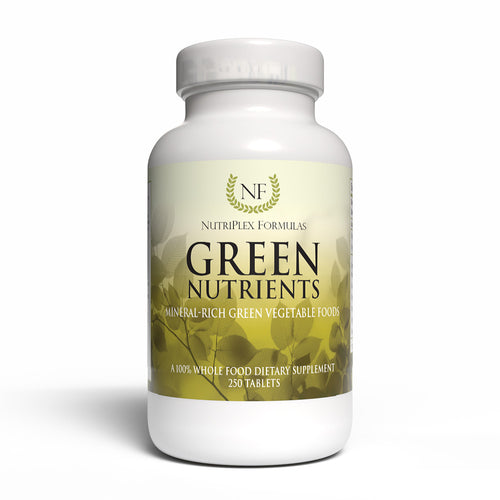
The vegetables in our Green Nutrients supplement are alkalinizing, mineral-dense, and provide the cofactors that help your body use the other nutrients on this list. They fill in the gaps that allow everything else to work.
Food sources: Dark leafy greens, spirulina, chlorella, wheatgrass, barley grass, alfalfa.
What to look for on a label: Whole food greens, not synthetic multivitamins or a list of minerals.
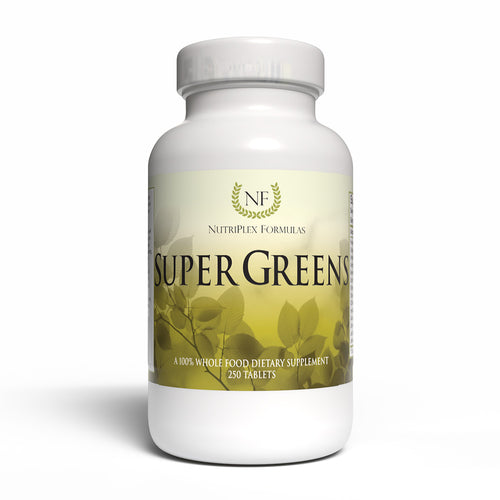
Green Nutrients and Super Greens are two formulas we offer that provide these mineral-rich whole food greens as foundational nutritional support.
Good fats
Fat is not the enemy of energy, nor is it the enemy of the heart and cardiovascular system. To claim otherwise is the result of misinformation and old thinking. In fact, fats serve as an important source of fuel for the body and provide structural components for every cell membrane. They also help support hormone production, nutrient absorption, and normal brain and nervous system function. While carbohydrates may provide quick energy, relying heavily on carbohydrate foods and sugars too often contributes to blood sugar fluctuations, increased hunger, weight gain, systemic inflammation and, over time, impaired glucose regulation in many individuals.
Medium-chain triglycerides (MCTs), found naturally in coconut oil, are readily converted into ketones, an alternative fuel source that can be used by the brain and other tissues. Omega-3 fatty acids, found in fatty fish, organic or regenerative eggs, and certain plant foods, help maintain healthy cell membranes and support normal inflammatory balance throughout the body. All eggs contain natural Omega-3s, but greater amounts of Omega-3 in eggs are produced by feeding hens a diet rich in flaxseed, algae, or fish oils.
Flaxseed is one of the richest plant-based sources of omega-3 fatty acids, specifically alpha-linolenic acid (ALA)
Food sources: Extra virgin olive oil, coconut oil, avocados, wild-caught fish, walnuts, flaxseeds, chia seeds, hemp seeds, and organic or regenerative eggs.
What to look for: Healthy fats are best obtained from whole foods and minimally processed oils. If supplementing, choose products from reputable sources and avoid hydrogenated or partially hydrogenated oils.
Electrolytes
Electrolytes — including sodium, potassium, calcium, and magnesium — help regulate electrical signals that allow nerves, muscles, and cells to function properly. They also play essential roles in hydration, muscle contraction, nerve transmission, and cellular energy metabolism.
Electrolyte imbalances can occur for many reasons, including excessive sweating, prolonged illness, inadequate fluid intake, certain medications, and diets dominated by highly processed foods. Symptoms may include fatigue, muscle weakness, headaches, difficulty concentrating, dizziness, muscle cramps, or a general sense that something feels "off."
Food sources: Celery, coconut water, avocados, bananas, leafy greens, potatoes, white beans, almonds, dill pickles, kale, sweet potatoes, dairy products, nuts, seeds, and unrefined sea salt.
What to look for: Whole-food sources should form the foundation of electrolyte intake. If supplementation is needed, look for mineral-containing foods that do not rely on sugar, artificial sweeteners, food colorings or "natural" flavors, or unnecessary additives.
Comparison table: whole food vs. synthetic energy supplements
If you have a supplement bottle near you right now, use this table to see what you're taking.
| Factor | Whole Food Supplement | Synthetic Supplement |
|---|---|---|
| Ingredient source | Actual foods (wheat germ, liver, beet root, acerola cherry, spinach, kale, kelp, etc.) | Laboratory chemicals (pyridoxine HCl, thiamine mononitrate, vitamin C ascorbic acid, cyanocobalamin) |
| Cofactors present | Yes — naturally occurring enzymes, trace minerals, bioflavonoids | No — isolated compound only |
| How it appears on the label | Food names you recognize | Chemical names |
| How the body uses it | Absorbed with its natural cofactors, used efficiently | Body must supply missing cofactors from its own reserves |
| Nutrient dosages/quantities | Reflects what the food naturally contains | High, precise milligram counts (150 mg, 500 mcg, etc.) |
| Typical fillers | May include harmless, safe tableting agents | Often includes artificial colors, titanium dioxide, polyethylene glycol, hydrogenated oils, disodium phosphate |
| Stimulants included | None | Often contains caffeine anhydrous, guarana, sugar, or taurine |
| Energy approach | Supports the body's own energy production over time | Treats fatigue with a temporary stimulant spike |
| Who makes it | Small formulators working with food ingredients | Large pharmaceutical-style laboratories |
| Manufacturing process | Foods are dried, powdered, and tableted or encapsulated | Chemicals are synthesized, compressed, and coated |
| How you feel | Gradual, sustained energy improvement over weeks | Quick spike followed by crash; fatigue returns |
| Long-term effect | Builds nutritional reserves; supports health over time, supports cellular function | May deplete cofactor reserves further, and does not contain enough nutrients to feed cells |

Where to start
Everyone's fatigue has a different story. Here are some starting points based on what you're experiencing.
If you're stressed and running on fumes
Chronic stress places extra demands on your body's energy-producing systems. Two areas that often need support are the B vitamins, which help convert food into energy, and the adrenal glands, which play an important role in your response to stress. Vitamin C and essential fatty acids are also an important part of the health equation.
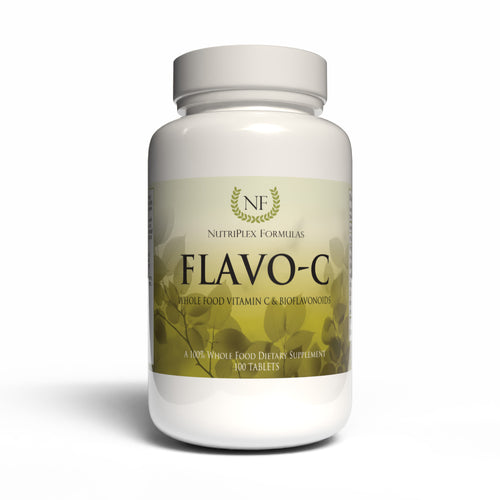
BFood provides a whole-food source of B vitamins to support normal energy metabolism. Adrenal Support provides nutrients traditionally used to nourish the adrenal glands during periods of prolonged stress, including adrenal gland powder from grass-fed bovine sources, organic acerola cherry juice for naturally occurring vitamin C, and sunflower seed. Flavo-C contains foods that provide the whole vitamin C complex. Fish oils provide much-needed omega-3 fatty acids.
Together, these products are designed to support both the nutritional and stress-response aspects of fatigue. Give your body time to respond. The goal is not to force energy, but to provide the nutritional building blocks needed for recovery and resilience. Some people notice improvements relatively quickly, especially if their diet has been lacking key nutrients. For others, meaningful changes may occur gradually over weeks or months as the body restores balance.
If you've been tired for months with no explanation
Start with foundational nutrition. A whole food B complex is often the single most important change, because B vitamins support so many aspects of your health: energy, mood, sleep, nerve function, digestion. If you've been tired for a long time and nothing seems to help, the issue may be a long-standing nutrient deficiency that your diet hasn't been bringing back into balance.
See how your body feels after a few weeks on a whole food B complex. If the fatigue improves but doesn't fully resolve, consider adding Green Nutrients and Flavo-C for mineral, vitamin C, and electrolyte support. And look at your diet overall. Are you getting enough whole foods? Enough good fats? Enough protein? Avoiding sugars, bad fats, and processed foods?
If your energy crashes after meals
Feeling tired after meals can have several causes, including how your body responds to the food you eat. Meals high in refined carbohydrates and sugar may cause blood sugar to rise quickly and then fall more rapidly than meals that contain a balance of protein, healthy fats, and fiber. For some people, this pattern can contribute to fatigue, hunger, cravings, or difficulty concentrating after eating.
If this sounds familiar, consider: - Reducing refined carbohydrates and added sugars - Including a source of protein with each meal - Eating healthy fats such as avocado, nuts, seeds, olive oil, or organic or regenerative eggs - Adding vegetables and leafy greens to increase fiber and nutrient intake - Taking a short walk after meals to support normal glucose metabolism
Supplements may play a supportive role, and the foundation is your diet and lifestyle. Begin with simple food changes and pay attention to how your body responds over the following days and weeks.
Across all of these scenarios
Don't ignore the basics. Sleep, movement, hydration, exercise, a healthy mind (meditation and peace) and stress management matter as much as supplementation. Supplements work best when they're filling a gap in an otherwise reasonable foundation. They're not a substitute for a good, nutrient-dense diet or taking care of yourself. They're a way to give your body some important raw materials it needs to do its job.
Frequently Asked Questions
What is the best natural supplement for low energy?
A whole food B complex is the first most important supplement for most people dealing with persistent low energy. B vitamins are central to every step of cellular energy production, and they're among the first nutrients depleted by stress, caffeine, processed food, too many sugars in the diet, and certain medications. Look for a supplement made with actual food ingredients (wheat germ, liver, beet root, oat bran, spinach, kale, etc.) rather than synthetic chemical isolates like pyridoxine HCl, vitamin A palmitate, or thiamine mononitrate.
Do B vitamins help with energy?
Yes. B vitamins are the coenzymes (helper molecules that assist enzymes in carrying out crucial biochemical reactions) that drive your mitochondria, the energy factories in your cells. They're required for the metabolic pathways that convert food into ATP (cellular fuel). When B vitamins are depleted, these pathways slow down, and you feel it as fatigue, brain fog, and difficulty concentrating. The key is the form: B vitamins within whole food sources come with the cofactors your body needs to use them. Synthetic B vitamins in isolated form often can't be used as effectively because there are no naturally occurring food cofactors.
How long do natural energy supplements take to work?
It depends on how depleted you are. Some people notice a difference within hours, especially those who have been significantly deficient. For others, it takes a few weeks as the body rebuilds its nutritional reserves. Whole food supplements support your body's own processes, and those processes work at their own pace. Within hours up to a few weeks is the typical range. Be consistent and pay attention to how you feel over time.
Can supplements replace caffeine for energy?
They address a different problem. Caffeine stimulates your body to produce a temporary sense of alertness or wakefulness. It doesn't fix the underlying nutrient depletion that's causing your fatigue. Whole food supplements support the actual energy-producing systems in your cells. Many people find that as their nutritional status improves, they naturally crave less caffeine and other stimulants. The goal is to give your body the whole food substances it needs so it can produce energy on its own.
What vitamins should I take if I'm always tired?
Start with a whole food B complex, because B vitamins are involved in so many energy-related processes. If you're under a lot of stress, add vitamin C from a whole food source (like acerola cherry or camu camu) to support your adrenal glands and cells. Magnesium foods are worth considering, especially if you also have trouble sleeping or experience muscle tension. And, especially if you're a woman, have your iron and iodine levels checked. Iron and iodine deficiency causes fatigue, anemia, and other health issues.
Are whole food supplements better for energy than synthetic?
In my experience, in more than three decades of clinical nutrition practice, yes. The reason is cofactors and something I call "whole food energy," which is the life force that science cannot duplicate. When a B vitamin exists in a real, whole food, it comes packaged within the food complex alongside trace minerals, enzymes, and other nutrients that allow your body to absorb and use it. There are even energies in such foods that science has yet to explore. When you take a synthetic isolate, these cofactors are missing. Your body has to supply them from its own reserves, which is a problem if these reserves are already low. This is why people can take high-dose synthetic B vitamins and still feel tired — or worse. The dosage looks impressive on the label, but the body can't use the vitamin efficiently without its supporting nutrients.
What's the difference between natural and synthetic B vitamins?
Natural B vitamins are found within foods such as wheat germ, liver, beet root, barley, brown rice, and oat bran. In these foods, they occur alongside a wide variety of enzymes, minerals, phytonutrients, and other naturally occurring compounds that make up the food's nutritional matrix. Synthetic B vitamins are isolated compounds produced through industrial manufacturing processes designed to create molecules that resemble naturally occurring vitamins. Depending on the vitamin, these processes may involve chemical synthesis, fermentation technologies, and other industrial methods. On a label, they often appear under names such as pyridoxine hydrochloride (vitamin B6), thiamine mononitrate (vitamin B1), niacinamide (vitamin B3), and cyanocobalamin (vitamin B12). Some companies use a process in which isolated vitamins are added to a growing yeast culture and then market the finished product as "food-grown" or "food-cultured." While the yeast may incorporate the vitamin during growth, the nutrient did not originate naturally within a whole food. There are also companies that cheat by infusing their food supplements with isolated, lab-made chemical vitamins. In either case, this differs from vitamins that develop naturally within foods as part of the plant's or animal's normal growth process.
Products Mentioned in This Article

These statements have not been evaluated by the Food and Drug Administration. This product is not intended to diagnose, treat, cure, or prevent any disease.