
Heart-Healthy Foods: A Whole Food Approach to Cardiovascular Nutrition

I've spent more than 30 years studying how food supports the body's vital systems, tissues, and organs. But the questions people ask me most often shouldn’t just involve supplements, but rather lifestyle, food, psychological, and eating habits. This is a true holistic approach to good health and recovery, and it’s what my health philosophy is based on. You are a whole human being with a body, mind, emotions, interests, and so on — and this means that a simplistic, one-sided approach to feeling your best just doesn’t work.
But if you're mainly focused on finding the best supplements for heart health over the age of 50, first consider nature’s foods and how they support your heart. Starting here will tell you a great deal about what to look for in a supplement, and why. To be clear, however, I strongly advise being open to all the other things you can do, including exercise, meditation, time with important people in your life, reducing stress levels, and so on.
This article walks through the foods that support cardiovascular health, what each one actually does, and how the whole food framework changes the way you think about what your heart needs. When you understand this then it makes it clear why we incorporate specific organic foods into our whole food supplements.
Why "Heart-Healthy" Has to Start With the Food Matrix
There's a concept I keep coming back to after decades of research: your body doesn't respond to isolated “nutrients” and synthetic vitamins in the same way that it responds to real food. Our bodies have evolved to eat nature’s foods and yet millions are using artificial supplements and drugs instead. See the problem?
A fresh garlic clove, a handful of blueberries, or a bowl of leafy greens aren't delivery vehicles for isolated chemicals. They're complete systems meant to deliver flavonoids, minerals, enzymes, organic acids, and phytonutrients. These nutrients work together in ways that no isolated supplement pill can replicate. When scientists extract a single compound and put it in a pill, they're keeping the watch but ignoring and throwing away the gears, springs, and all other related parts that make it run.
Heart supplements vary enormously, and many are built around isolated synthetic compounds — vitamin E as d-alpha-tocopherol, coQ10 (the isolated ubiquinol molecule), beta-carotene that is synthetically produced, and vitamin C as ascorbic acid as an artificial chemical without a flavonoid complex. Some are filled with laboratory chemicals and called heart support. This isn't how food works and it’s not how nature makes, and offers, its nutrients.
The foods below support the heart when the nutrients haven't been taken apart or artificially created in a laboratory.

Garlic: One of the Most Studied Cardiovascular Foods
Garlic — one of the most commonly found spices around the world — appears to have originated in Central Asia and was being cultivated and used in the ancient Near East long before the surviving Egyptian medical texts that highlight its value. There is evidence of garlic’s use by the Sumerians around 2600–2100 BCE, and garlic was part of the medical traditions of ancient India and China. Modern research has looked at why garlic has earned such a stellar reputation.
Garlic contains polysulfides that react with red blood cells and prompt the release of a small amount of hydrogen sulfide. Hydrogen sulfide is a molecule that signals your body to relax the smooth muscle in blood vessel walls. Relaxed walls mean vessels can widen a little, which allows blood and oxygen to move with less obstructions.
Your body produces its own hydrogen sulfide signals, but this tends to decline with age. A little help from real food (as opposed to vitamin pills) goes further than people may expect.
There's also an established connection between garlic and platelet function. Blood platelets are tiny cell fragments that circulate in your blood and stop bleeding by sticking to injuries, forming temporary plugs, and triggering blood clots. It is vital that they do not clump together inside healthy blood vessels, where circulation depends on blood moving freely.
Garlic contains sulfur nutrients that have been shown to help reduce excessive platelet aggregation, supporting healthy blood flow. Human studies and systematic reviews have also found that eating garlic regularly may help maintain healthy blood pressure and cholesterol levels already within the normal range. These benefits tend to become more apparent after several weeks to months of consistent intake.
One practical note: the benefits of garlic diminish with heavy cooking. Raw or lightly cooked delivers more nutrient value and therefore, greater health benefits. A clove pressed into a salad dressing or stirred into a dish near the end of cooking is worth more than one that's been roasting in the oven for an hour.
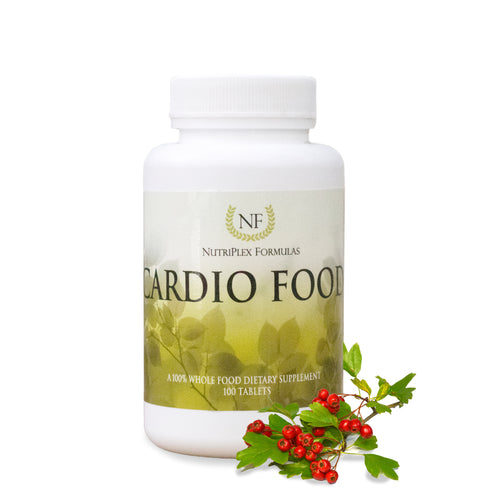
Cardio Food contains organic garlic as one of its core whole food ingredients.
Beets: Nitrates Benefit Blood Vessels
Beets stand out as a heart-healthy food because their nutrient benefits are straightforward and well-documented. Beets are a good source of natural nitrates that your body converts into nitrite, then into nitric oxide. Nitric oxide is a signaling molecule produced by the cells lining your blood vessels. It tells the surrounding smooth muscle to relax, causing the blood vessels to widen and allowing blood to flow more easily.
The research on beets and blood pressure is consistent. Beet juice has been shown to lower blood pressure fairly quickly after drinking it. A UK study published in Hypertension found significant reductions within hours of consumption, with effects lasting up to 24 hours. This is a well documented functional response.
Beets are also a reasonable source of potassium, folate, iron, magnesium, and manganese, along with betaine, which supports normal liver function. These nutrients that naturally exist in beets work together, which is the whole point of consuming a whole food rather than an isolated chemical.
Roasted beets, raw grated beets, and beet juice deliver nitrates your body can use. Consuming one of these versions is better than a laboratory-made isolate within a heart supplement.

Leafy Greens: Mineral-Dense, Underrated, Available Every Day
Dark leafy greens are rarely lauded as superfoods, but they really are. And for consistent, everyday cardiovascular support, they're hard to beat.
Spinach is notably high in magnesium, potassium, nitrates, vitamin K, folate, and iron. Magnesium plays a direct role in how blood vessels relax — it supports the natural dilation of smooth muscle in vessel walls. There's an established connection between low magnesium and cardiovascular stress, and too many people over 50 don't get enough of it from their diet. But before you reach for a bottle of magnesium pills, read on…
Kale, arugula, Swiss chard, spinach, and other leafy greens carry nitrates like beets do — lower in concentration, but meaningful when you eat them consistently. They also supply folate, which participates in normal homocysteine metabolism. (Elevated homocysteine has been associated with increased oxidative stress on blood vessel walls.) And they provide vitamin K, which has a role in how the body handles calcium and vascular tissues.
Dark leafy greens also contain carotenoids — lutein, beta-carotene, and others — that function as antioxidants and help protect the inner lining of blood vessels from oxidative stress.
The key is eating the whole food, because foods contain much more than just magnesium. If you want to get heart-healthy nutrients into your diet, start by adding a large mixed greens salad twice a week, along with other greens on your plate most days.
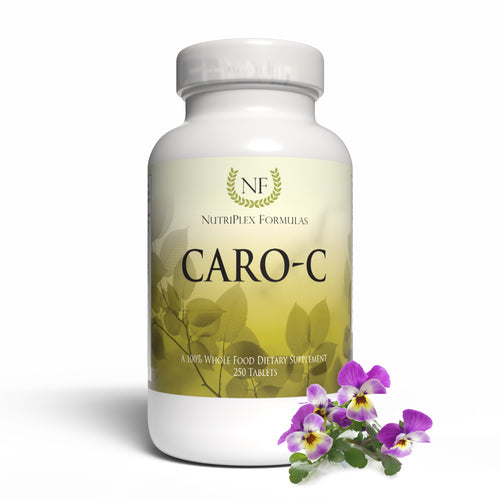
Caro-C contains organic spinach as a whole food that contains carotenoids and vitamin C.
Berries: Anthocyanins and Vessel Wall Integrity
Berries carry a group of pigments called anthocyanins — nutrients responsible for their deep blue, red, and purple colors. These pigments are biologically active. They function as antioxidants, but their cardiovascular role is even more specific than this.
Bilberries and blueberries in particular have been studied for their positive influence on blood vessel walls. Anthocyanosides (the class of anthocyanins in bilberry) help build and maintain strong, resilient vessel walls and may support healthy platelet activity. One study found that bilberry extract supported the integrity of capillary walls — the smallest blood vessels in the body, which are also among the first to show signs of wear.
Berries also contain flavonoids — quercetin, catechins, and ellagic acid among them — that have been associated with support for the inner lining of blood vessels. In one study, people who consumed tea rich in quercetin metabolites showed reduced markers of vascular inflammation. Quercetin reaches blood vessel cells through the gut and liver, so the dose matters less than the consistency.
Eating a handful of berries in the morning is one of the easiest habits on this list. Dark-colored varieties — bilberries, blueberries, black currants, blackberries — carry the most anthocyanins.
Cardio Food includes organic bilberry. Caro-C includes wildcrafted bilberry.

Oily Fish: Omega-3s in the Form Your Body Uses Best
Fatty fish — salmon, sardines, mackerel — supply omega-3 fatty acids in the EPA and DHA forms that your body can use directly. DHA (docosahexaenoic acid) is a vital omega-3 polyunsaturated fat crucial for brain function, eye retina development, and heart health. And EPA (eicosapentaenoic acid) is a vital long-chain omega-3 fatty acid primarily found in marine sources like cold-water fish and algae. It helps reduce inflammation, supports heart health, and lowers blood triglyceride levels.
The above are different from the ALA form found in walnuts and flaxseed, which the body has to convert (and does so inefficiently). Alpha-linolenic acid (ALA) is an essential plant-based omega-3 fatty acid found primarily in flaxseeds, chia seeds, and walnuts. Your body cannot make it, so you must get it from food.
EPA and DHA have a well-documented relationship with cardiovascular function. They support normal triglyceride levels. Triglycerides are a type of fat carried in the blood and, like the so-called "bad" cholesterol, high levels have been associated with heart disease and stroke. EPA and DHA fatty acids help maintain healthy platelet behavior, and contribute to the structural integrity of cell membranes in heart and vessel tissue. Long-running population research has connected steady omega-3 intake with better cardiovascular outcomes over a period of years.
The ways omega-3 fats benefit the body are complex and appear to involve several pathways, including the regulation of inflammatory processes, the structure and function of cell membranes, and the electrical activity of the heart. Regular consumption of fish, particularly fatty fish rich in EPA and DHA, has been associated with better cardiovascular outcomes in many populations, although research on the specific cardiovascular effects of omega-3 supplementation has produced mixed results.
For people who don't eat fish regularly, walnuts provide ALA, an essential omega-3 fatty acid that the body can convert to EPA and DHA, although the conversion is limited. Fatty fish remains the most direct dietary source of EPA and DHA, making regular consumption of fish a practical way to obtain these long-chain omega-3 fats.
Grapes and Their Nutrients: The French Paradox Explained
Grapes carry a group of polyphenols concentrated in the skins and seeds, and these are the nutrients that made grapes a subject of cardiovascular research in the first place. Polyphenols are natural plant nutrients packed with antioxidants. They help protect cells from damage and support heart, gut, and brain health.
For years researchers have been intrigued by the so-called French paradox — the observation that France historically had relatively low rates of coronary heart disease despite a diet that included substantial amounts of saturated fat and a significant prevalence of smoking. One proposed explanation has been the regular consumption of wine, particularly red wine, which contains a variety of polyphenols derived from grapes. However, the French paradox is complex, and no single food or nutrient has been established as a definitive explanation.
You don't need to drink wine to obtain the polyphenols found in grapes. Whole grapes provide a variety of polyphenols, particularly in their skins, along with fiber and other nutrients. Grape seeds, however, are not ordinarily consumed in significant amounts (most people spit them out, or eat seedless grapes), so obtaining concentrated amounts of their OPCs generally requires a grape-seed extract. Likewise, grape-skin within a whole food supplement can provide concentrated grape-skin polyphenols, including resveratrol, but these are not foods that most people routinely source and prepare on their own.
Hawthorn: Traditional Use Backed by Modern Research
Hawthorn (Crataegus species) has been used in European and Chinese traditional medicine for cardiovascular support for centuries. Modern research has looked at why.
Hawthorn contains OPCs and a range of flavonoids that together appear to support heart muscle function, help maintain healthy blood pressure, and support healthy circulation to the heart itself. Traditional use centered on the whole hawthorn rather than a standardized extract, which is also how it appears in a whole food formula.
One caution worth noting: hawthorn is active enough that it warrants discussion with a practitioner if you take any heart-related medications. However, as a food-form ingredient in a whole food supplement, the amounts are lower and more gentle, but it's always worth being aware of.
Hawthorn is the lead ingredient in Cardio Food.
What Whole Food Vitamins A and C Do for Your Heart
Vitamin C has a specific role in the cardiovascular system that often gets overlooked. It's one of the raw materials your body uses to produce and maintain collagen in blood vessel walls. Blood vessels are structural tissues — they're built from protein matrices that depend on vitamin C to hold together and stay flexible.
Research has found an association between higher intake of vitamin C from fruits and berries and healthier artery walls. The form of vitamin C appears to matter: ascorbic acid (the synthetic version) doesn't carry the full flavonoid complex that food-form vitamin C does. In a whole food like acerola, the vitamin C is embedded in a complete matrix of bioflavonoids, enzymes, and cofactors that support its function.
Vitamin A complex, specifically the carotenoid forms found in food, has an important relationship with blood vessel integrity as well. Carotenoids function as antioxidants in the lipid layers of cell membranes, including the cells that line blood vessels (endothelial cells). Lycopene from tomatoes has been studied for how it protects blood fats and vessel tissue from oxidation. Lutein, found in leafy greens and bilberry, supports the small vessels of the eye and broader circulation.
Caro-C is built around whole food carotenoids and vitamin C — wild pansy, spinach, orange, carrot, acerola, dandelion, shiitake, bilberry, and green tea, in whole food form.

Green Tea: Blood Vessel Support in a Cup
Green tea deserves a mention here as well. Even though it's usually consumed as a beverage, it has also long been used as an herbal supplement. Green tea contains a class of polyphenols called catechins — epicatechin and EGCG in particular — that have been well-studied for cardiovascular effects.
Green tea catechins appear to support how the inner lining of blood vessels functions. They may help maintain cholesterol levels already within the normal range and support the normal breakdown of triglycerides. In population studies, regular green tea consumption has been associated with cardiovascular support, and in controlled trials, improvements in the function of the vessel lining have been observed within a relatively short time.
Swapping one cup of coffee for green tea daily is one of the easier heart-healthy habits on this list, and it delivers these nutrients in the form supported by scientific research.
Cardio Food contains organic green tea as a whole food ingredient.
The Comparison: Whole Foods vs. Isolated Supplements
| Food / Nutrient | What You Get in Whole Form | What You Miss With Isolates |
|---|---|---|
| Garlic | Polysulfides, allicin, flavonoids, selenium, the full matrix | Usually allicin standardized extracts, missing the polysulfide complex |
| Beets | Nitrates, betaine, potassium, magnesium, folate, pigments and more | Beet powder varies widely; isolated nitrate misses the cofactors |
| Berries | Anthocyanins + catechins + ellagic acid + vitamin C in complex | Isolated anthocyanin extracts miss the polyphenol synergy |
| Fatty fish | EPA/DHA + co-Q10 + selenium + complete protein | Fish oil isolates: omega-3s only, no surrounding cofactors |
| Hawthorn | OPCs + flavonoids + vitexin in plant-form matrix | Standardized hawthorn extract is one fraction of the whole food |
| Vitamin C from acerola | Ascorbic acid + rutin + bioflavonoids + enzymes | Vitamin C ascorbic acid without the cofactor network |
The pattern here isn't subtle. Every time a nutritious food is reduced, isolated, standardized, infused with, or wholly synthesized to its "active ingredient," something gets left behind (or never even existed in the first place). And this makes real, whole food a better choice than a chemical created in a laboratory.

What to Eat: A Practical Starting Point
You don't need to overhaul your kitchen or follow a rigid plan. Here's what actually makes a difference when built into everyday eating:
Add more often:
- Garlic in meals, raw or lightly cooked
- Beets in any form — roasted, raw, juiced
- Leafy greens on most days — spinach, kale, arugula
- Dark berries — a handful is plenty
- Fatty fish two or three times a week — salmon, sardines, mackerel
- Green tea as a daily beverage
- Whole grapes, red grape products
Reduce where possible:
- Partially hydrogenated oils and trans fats — these damage the inner lining of blood vessels over time. Avoid them completely
- Excess sodium and a vast number of harmful chemicals from processed food
- Refined sugar in ANY amount and in any food or condiment
- Chemical-laden processed and fast foods. Just avoid these
No food on this list requires an unusual grocery store. Most of them are on the shelf at any market. The discipline is consistency, not perfection.
Frequently Asked Questions
What are the most important heart-healthy foods to eat after age 50?
Garlic, beets, leafy greens, dark berries, fatty fish, and green tea are foods consistently associated with cardiovascular support in people who eat them regularly. Each one does something specific — garlic supports vascular relaxation, beets supply nitrates for blood pressure, berries strengthen vessel walls, fatty fish supply omega-3s in usable form. Eating a range of these, most days, is more useful than optimizing any single one.
Are supplements better than food for heart health?
Food comes first. The nutrients in cardiovascular-supportive foods work synergistically and the whole food is superior to a synthetic copy. A supplement made from real, whole foods (rather than isolated vitamins and synthetic compounds) can help fill gaps that even a good diet leaves, especially as people get older and the body's absorption and production of certain nutrients shifts. But no supplement replaces a diet that includes these foods.
What's the difference between a whole food supplement and a regular supplement for heart health?
A typical heart supplement contains isolated and synthetic chemicals — vitamin E as d-alpha-tocopherol, vitamin C as ascorbic acid, magnesium as a mineral salt. A whole food supplement is made with foods that naturally contain these nutrients, keeping the important cofactors, enzymes, and phytonutrients intact. The body recognizes and uses food differently than it uses isolated chemicals. This is especially relevant for cardiovascular support, where the synergy between nutrients matters.
Do I need omega-3 supplements if I eat fatty fish?
If you eat fatty fish two or three times a week consistently, your dietary omega-3 intake may be sufficient. If you don't eat fish, or only occasionally, a fish oil supplement can fill the gap. Look for one that's minimally processed and from high-quality sources. That said, the complete nutritional profile of whole fish — CoQ10, selenium, complete protein — isn't in a fish oil capsule.
Is garlic better raw or cooked for cardiovascular support?
Raw or lightly cooked preserves more of the polysulfides responsible for garlic's cardiovascular benefits. Heavy cooking diminishes them. Pressing a raw clove into a salad dressing or adding garlic at the end of cooking retains more of what makes it useful.
How long before I notice changes from eating more heart-healthy foods?
Real, natural support is a bodily process that takes time. Most of the research on these foods tracks outcomes over months, not days. Some things — like the blood pressure response to beet juice — can occur within hours. Others, like the effects of consistent omega-3 intake on vessel health, show up over weeks and months. See how your body feels as you make changes, and give it a real window to work.
Which whole food supplements support heart health specifically?
For cardiovascular support, I developed Cardio Food — a whole food formula containing hawthorn, organic garlic, grape seed extract, bilberry, green tea, ginkgo biloba, cayenne, and bovine heart from grass-fed cattle. For vessel wall integrity, I also recommend Caro-C, which supplies whole food carotenoids and vitamin C that exist within acerola, spinach, carrot, bilberry, and related foods. Nature’s foods address different aspects of cardiovascular support and work well together.
Should I take heart health supplements if I'm already eating these foods?
This depends on your diet, your age, and how consistently you eat the foods above. Even careful eating often leaves gaps in the nutrients needed for the health of blood vessels. But there’s something far more important to consider. Here’s what you should know: Modern, conventional farming soils carry fewer nutrients than they once did. Dr. Vandana Shiva, physicist, food sovereignty advocate, researcher, and author, found that by replacing organic matter (compost, green manure, root exudates) with synthetic salts and chemical pesticides, conventional farming kills off the living soil biology — specifically mycorrhizal fungi, nitrogen-fixing bacteria, and earthworms. Plants do not create minerals; they depend on soil microorganisms to convert locked trace elements into bioavailable forms. Dr. Shiva demonstrated that feeding plants only NPK breaks this biological bridge, causing the soil—and consequently the food grown in it—to develop severe deficiencies in essential micronutrients and trace minerals (such as zinc, iron, copper, and magnesium). Source: Montgomery et al., PeerJ (2022). Adding whole food supplement support can help close a gap that diet alone may not, especially as eating habits have changed.
Products Mentioned in This Article

These statements have not been evaluated by the Food and Drug Administration. This product is not intended to diagnose, treat, cure, or prevent any disease.

