
Label Reading, Supplement Facts, Synthetic Vitamins
How to Tell If Your Vitamins Are Synthetic (Check These 5 Things on the Label)

Read the Ingredient Names
This is the fastest way to tell. Synthetic vitamins have chemical names. Whole food vitamins list foods.
Here's what synthetic looks like on a label:
- Vitamin A: retinyl palmitate, vitamin A palmitate, retinyl acetate
- Vitamin B1: thiamine mononitrate, thiamine hydrochloride
- Vitamin B3: niacinamide, nicotinic acid
- Vitamin B6: pyridoxine hydrochloride
- Vitamin B12: cyanocobalamin
- Vitamin C: ascorbic acid
- Vitamin D: ergocalciferol (D2), cholecalciferol (D3 — can be synthetic or natural)
- Vitamin E: dl-alpha-tocopherol (the "dl" prefix means synthetic), d-alpha-tocopherol (natural but isolated)
- Mixed tocopherols (isolated vitamin E)
- Folic acid (synthetic)
Now here's what whole food vitamins look like on a label: nutritional yeast, beet root, acerola cherry, wheat germ, carrot root, alfalfa, fig, brown rice bran, camu, and so on.
If you see food and herb names you recognize, the nutrients are coming from actual food that's in the bottle. Our bottle. If you see chemical names, they were made in a laboratory.
One more to watch for: riboflavin (B2). On its own, it's an isolated chemical. In a whole food supplement, you'd see nutritional yeast or another food source that naturally contains B2.
The Vitamin-by-Vitamin Cheat Sheet
Here's a reference you can come back to anytime you're standing in a store or reading a label online. It covers the most common vitamins and minerals, what the synthetic version is called, and what a whole food source looks like instead.
Vitamins
| Vitamin | Synthetic Name(s) on the Label | Whole Food Form / Source | Quick Tell |
|---|---|---|---|
| Vitamin A | Retinyl palmitate, retinyl acetate, vitamin A palmitate, beta-carotene (isolated) | Carrot root, sweet potato, spirulina, liver | If it says "palmitate" or "acetate," it's synthetic. Isolated beta-carotene is also manufactured. |
| Vitamin B1 (Thiamine) | Thiamine mononitrate, thiamine hydrochloride | Nutritional yeast, brown rice bran, wheat germ | Any form of "thiamine" followed by a chemical suffix is synthetic. |
| Vitamin B2 (Riboflavin) | Riboflavin, riboflavin 5'-phosphate | Nutritional yeast, alfalfa, beet root | "Riboflavin" standing alone is isolated. Look for a food source listed next to it. |
| Vitamin B3 (Niacin) | Niacinamide, nicotinic acid, nicotinamide | Nutritional yeast, brown rice bran | Both niacinamide and nicotinic acid are manufactured forms. |
| Vitamin B5 (Pantothenic Acid) | Calcium d-pantothenate, pantothenic acid, panthenol | Nutritional yeast, mushroom, brown rice bran | "Calcium d-pantothenate" is the standard synthetic form. |
| Vitamin B6 | Pyridoxine hydrochloride, pyridoxal 5'-phosphate (P5P) | Nutritional yeast, brown rice bran, banana | "Pyridoxine HCl" is synthetic. P5P is the active form but still isolated unless associated with a food source. |
| Vitamin B7 (Biotin) | Biotin, d-biotin | Nutritional yeast, egg yolk, alfalfa | "Biotin" on its own is typically manufactured. In a whole food supplement, you'd see the food it came from. |
| Vitamin B9 (Folate) | Folic acid, pteroylglutamic acid | Lemon peel, beet root, spinach, broccoli | Folic acid is always synthetic. It does not exist in nature. Food folate is listed as "folate" from a named food source such as a green leafy vegetable. This is one of the most important distinctions on this list. |
| Vitamin B12 | Cyanocobalamin, methylcobalamin (can be synthetic or natural) | Liver, nutritional yeast (when fortified) | "Cyanocobalamin" is synthetic — it contains a cyanide molecule that the body must remove. Methylcobalamin is a better form but is still isolated unless it comes from a food source. |
| Vitamin C | Ascorbic acid, calcium ascorbate, ester C, sodium ascorbate | Acerola cherry, camu, amla, rosehips | If it says "ascorbic acid," it's one fraction of the vitamin C complex, likely manufactured from a process using corn syrup. |
| Vitamin D | Ergocalciferol (D2), cholecalciferol (D3 — can be either) | Mushrooms (D2), cod liver oil, whole food blends (D3) | D2 is typically synthetic. D3 can come from lanolin (sheep's wool) or lichen. Check whether a food source is named. |
| Vitamin E | dl-alpha-tocopherol, d-alpha-tocopherol, tocopheryl acetate | Wheat germ, sunflower seeds, whole rice bran | The "dl-" prefix always means synthetic. Even "d-alpha-tocopherol" (natural) is isolated — the full vitamin E complex includes four tocopherols, four tocotrienols, and selenium. |
| Vitamin K | Phytonadione (K1 — can be synthetic), menaquinone (K2) | Alfalfa, leafy greens, natto | Synthetic K1 is called phytonadione. K2 from natto fermentation is a more natural form. |
Common Minerals
| Mineral | Isolated Form(s) | Whole Food Form / Source | Quick Tell |
|---|---|---|---|
| Calcium | Calcium carbonate, dicalcium phosphate, calcium citrate | Beet root, alfalfa, sesame seed, leafy greens | Calcium carbonate is essentially chalk — literally. It's the cheapest and most common form. Look for a named food source or specify the origin. |
| Magnesium | Magnesium oxide, magnesium stearate | Whole rice, pumpkin seed, spinach, yellow vegetables | Magnesium oxide has very low absorption. If the label shows only a chemical salt name, it's isolated. |
| Iron | Ferrous sulfate, ferrous fumarate, ferrous gluconate, iron bisglycinate | Beet root, spinach, liver, dates, curry leaf | Ferrous sulfate is the most common and cheapest form. It's known for causing digestive discomfort. Food-sourced iron is gentler. |
| Zinc | Zinc oxide, zinc gluconate, zinc picolinate, zinc sulfate | Pumpkin seed, nutritional yeast, whole rice, shrimp, oysters | "Zinc oxide" is the least absorbable form. If no food source is named, it's an isolated mineral salt. |
Bookmark this page. The next time you pick up a supplement bottle — at a store, from your medicine cabinet, anywhere — flip it over and compare the label to this list. It takes thirty seconds to know what you're actually taking.

Check the "Other Ingredients" Section
Most people skip this part of the label. This is a mistake.
The "Other Ingredients" section (sometimes called "Inactive Ingredients") lists everything that isn't a nutrient. This is where you'll find fillers, binders, flow agents, coatings, and artificial colors. Some of these substances are necessary to create a tablet or capsule (but not a powder), but there are ones you want to avoid. Make sure these substances are not bad for your health.
Common ones to avoid:
- Titanium dioxide — a whitening agent
- Artificial colors — FD&C Red No. 40, Blue No. 2, Yellow No. 6
- Natural flavorings — there is no legal guideline for what is called natural, and natural flavorings are usually not natural
- Silicon dioxide — an anti-caking agent (this one is less concerning — it's a naturally occurring mineral)
- Polyethylene glycol — a coating compound
- Hydrogenated oils — sometimes used in softgel capsules
- Disodium phosphate — usually points to substances that are heavily processed
A whole food supplement should have a very short "Other Ingredients" list, including some form of cellulose. A long list of chemical-sounding additives is a red flag.
Look at the Dosage Amounts
This one surprises people.
If a label shows 5,000% or 10,000% of the Daily Value for a single nutrient, that vitamin is almost certainly synthetic. Food can't deliver those amounts in a tablet. This is because nature presents vitamin and mineral amounts in balance. You'd need to eat pounds of a food to even come close to receiving the pharmaceutical quantities in today's vitamin supplements.
Way too many supplement companies create B vitamins from coal tar and petroleum derivatives. These synthetic B vitamins are cheap to produce in massive quantities, which is why you see bottles advertising 5,000 mcg of B12 or 100 mg of B6.
A whole food B vitamin supplement will have lower numbers (mg or mcg) on the label because it reflects what the food actually contains in nature. This is not a weakness; nor does it mean you aren't getting your money's worth. It's how food works. In nature, vitamins come in small, balanced amounts alongside cofactors — naturally occurring helper nutrients that your body needs to actually use the vitamin.
When you take a megadose of an isolated vitamin, your body has to supply the missing cofactors (that naturally are part of a real food) from its own reserves. Or it can't use the vitamin at all. Either way, you're not getting what the label promises.

Watch for the Word "Natural"
The word "natural" on a supplement label means less than you think.
There's no strict regulation requiring a vitamin to come from food in order to be called natural. An isolated vitamin extracted from a plant source can legally be called natural, even though it's been stripped of all the cofactors that made it useful in the first place.
For example, vitamin E labeled as "d-alpha-tocopherol" is technically natural — it comes from a plant source. But it's been isolated from the food matrix. The whole vitamin E complex includes delta-, beta-, and gamma-tocopherols, plus tocotrienols and selenium. When you isolate one fraction and call it "vitamin E," you're missing most of what makes it work.
For example, vitamin C supplements are made from a process that begins with corn syrup. Not oranges or lemons, but corn syrup! The end product is ascorbic acid — a single chemical compound. But vitamin C as it exists within a food is a whole complex that includes bioflavonoids like rutin, quercetin, and hesperidin, along with subvitamins, minerals, enzymes and other cofactors. Ascorbic acid alone is not the full picture.
"Natural" tells you almost nothing. Food names on the ingredient list tell you everything.
Look for a Food Source Listed Next to Each Nutrient
This is the clearest signal.
Some supplement labels will show a nutrient (like Vitamin C) in one column and its food source (like acerola cherry or camu) in the next column. This can be tricky, however. When each nutrient has a specific food listed beside it, you may be looking at a whole food supplement, or the food may have been spiked, or enriched, with artificial vitamins. Simply listing the names of foods means that this is all you are getting.
If the label just lists nutrient names and abnormally high amounts with no food source — Vitamin C, 1,000 mg — the vitamin was made in a lab. The company may put pictures of oranges on the bottle, but the actual vitamin inside has nothing to do with oranges.
Here's a useful test: look at the entire Supplement Facts panel. If every single ingredient is a food, you're holding a whole food product. If even a few nutrients list chemical names with no food source, the product is at least partially synthetic.
The "Food-Based" Category Nobody Talks About
There's a third category of supplement that falls between synthetic and genuine whole food. The industry calls them "food-based," "food-grown," or "food-state" vitamins. They sound wholesome. The marketing is polished but misleading. The process tells a different story. (If you want the full breakdown of what genuine whole food supplements are, start with what whole food supplements actually are.)
Here's how it works. A manufacturer starts with a synthetic vitamin — the same isolated chemical compound you'd find in any cheap or expensive multivitamin. Price doesn't tell you very much. They then add that synthetic vitamin to a culture of yeast or a food medium and let the yeast grow in the presence of the chemical. The yeast incorporates the synthetic vitamin into its cellular structure. The end product is then marketed as "food-based" or "whole food."
Some companies take this further. They culture the synthetic vitamins with a variety of foods and probiotics, creating what they call a "raw" or "cultured" supplement. The labels read beautifully — you see food names, you see words like "raw," "whole food," and "organic." It looks right.
But the foundation is still synthetic.
If the process starts with a synthetic vitamin, the end result is built on a synthetic foundation. The yeast or food culture may add some naturally occurring cofactors, and that's not nothing. But it's not the same as starting with a food that naturally contains the nutrient in the first place.
Think about it this way. If you injected a synthetic vitamin into an orange, you wouldn't call the orange a whole food. Growing a synthetic vitamin in yeast is a more sophisticated version of the same idea.
How to spot these on the label: Look for language like "nutrients cultured in organic media," "food-state nutrients," or a process description that mentions culturing or fermenting vitamins. Even the term "food-based" can be iffy. If the individual vitamins are listed at high potencies (500 mg of vitamin C, 50 mg of B6) alongside food names, that's a clue — those amounts are far higher than any food naturally contains, which means the nutrient was added to the food, not naturally contained within it.
A genuine whole food supplement starts with the food. The nutrient levels reflect what the food actually provides. The food isn't a delivery vehicle for a synthetic chemical — it is the source.
Label Teardown — What 3 Different Supplement Labels Look Like
Let's walk through three labels the way you'd encounter them in a store. Once you've seen these side by side, you won't unsee it.
Label A: The Fully Synthetic Multivitamin
This is the one you'll find at every drugstore and big-box retailer. You'll also find them in expensive supplements. The Supplement Facts panel lists:
- Vitamin A (as retinyl palmitate) — 3,000 mcg
- Vitamin C (as ascorbic acid) — 1,000 mg
- Vitamin D3 (as cholecalciferol) — 50 mcg
- Vitamin E (as dl-alpha-tocopheryl acetate) — 15 mg
- Thiamine (as thiamine mononitrate) — 1.5 mg
- Riboflavin — 1.7 mg
- Vitamin B6 (as pyridoxine hydrochloride) — 10 mg
- Folic Acid — 400 mcg
- Vitamin B12 (as cyanocobalamin) — 1,000 mcg
Every nutrient has a chemical name, often in parentheses. No food is mentioned anywhere in the active ingredients. The "Other Ingredients" section is long: magnesium stearate, titanium dioxide, FD&C Yellow No. 6, polyethylene glycol, hydrogenated palm oil.
The front of the bottle may say "Complete Daily Multi" with images of fruits and vegetables. None of them are actually inside the bottle.
Label B: The "Food-Based" Hybrid
This one costs more and looks more premium. The label says "raw," "whole food," or "food-cultured." The Supplement Facts might show:
- Vitamin C — 500 mg (from culture of Saccharomyces cerevisiae grown in organic citrus)
- Vitamin B12 — 500 mcg (from culture of Saccharomyces cerevisiae)
- Folate — 400 mcg DFE (from culture of Saccharomyces cerevisiae and lemon peel)
It reads better. You see yeast and food names. But notice the dosages — 500 mg of vitamin C, 500 mcg of B12. No food naturally contains those amounts per serving. The vitamins were added to the yeast culture at synthetic concentrations, then the yeast was harvested and dried. Consider the fact that the recommended daily allowance (RDA) of vitamin C is 75 mg for adult women and 90 mg for adult men — but the supplement you may be taking has ten times this amount!
The "Other Ingredients" is shorter but may still include things like disodium phosphate, stearates, stearic acid, ascorbic acid, and organic flavorings. The marketing emphasizes the food culture process. The fine print tells the real story.
Label C: The Genuine Whole Food Supplement
This is what a whole food label looks like. The Supplement Facts show names of foods instead of the vitamins or minerals. The value is in the whole food complex and not in the pharmaceutical dosages of isolated "nutrients":
- Vitamin C (in acerola cherry, camu)
- Vitamin A (in carrot root)
- Thiamine (in nutritional yeast)
- Riboflavin (in nutritional yeast)
- Iron (in beet root)
Every nutrient is within a food, naturally. The amounts are modest because they reflect what the food naturally contains. The "Other Ingredients" is short and contains the most innocuous (safe) substances.
That's the difference. Chemical names and megadoses versus food names and amounts that reflect nature. Once you know what to look for, you can read a supplement label in thirty seconds.

Why This Matters
As part of the age-old human species, your body evolved to eat nature's foods — whole foods, not chemicals or isolated fractions.
When you eat an apple, you're not just getting ascorbic acid. You're getting bioflavonoids, enzymes, fiber, trace minerals, other vitamins, and compounds that scientists are still cataloging. More than 25,000 phytonutrients have been identified in fruits and vegetables so far. The vitamin industry only uses a handful of these. Real nutrients work together. Remove one from the group and it doesn't behave the same way.
That's why I formulated our whole food supplements with real foods — nutritional yeast, beet root, acerola cherry, wheat germ, carrot root, alfalfa, camu, and others. What you see on the label is food. No synthetic vitamins, no unnecessary, harmful fillers.
The label tells the whole story. Now that you know, it's easy to read what you are getting.
Frequently Asked Questions
Are all synthetic vitamins bad?
They're not usually dangerous in small amounts for most people. For some, however, they are problematic and cause side effects. But in all cases they're incomplete. A synthetic vitamin is a single chemical compound made in a laboratory, not in nature. A whole food vitamin comes with cofactors — helper nutrients your body uses to absorb and utilize the vitamin. When these cofactors are missing, your body either pulls from its own reserves to make up what's missing, or can't fully use the nutrient. Over time, this difference adds up.
Can a supplement be partly synthetic and partly whole food?
Yes, and this is more common than you'd expect. Some companies add a small amount of food powder to an otherwise synthetic formula and market it as "whole food." Check the full ingredient list. If you see chemical names mixed with food names, the product is a blend. And this means it is not a whole food. But a company isn't going to say "whole foods and a bunch of added chemicals" on their labels.
Is "food-based" the same as "whole food"?
Not always. "Food-based" sometimes means a synthetic or isolated vitamin, mineral, or other substance was added in manufacturing. Sometimes a company will add these substances to a food medium (like yeast) during manufacturing. The vitamin starts as a chemical and is then grown into a food matrix. A true whole food supplement starts with the food itself and keeps it intact. The distinction matters, and the ingredient list will tell you which you're looking at.
What about vitamins labeled "organic"?
Organic refers to how the food ingredient was grown — without synthetic pesticides or fertilizers. It's a good thing. But an organic supplement can still contain isolated vitamins alongside organic food powders. "Organic" tells you about farming practices. The ingredient list tells you whether the nutrients themselves came from food or a lab.
Are expensive vitamins always better than cheap ones?
Not usually. Price reflects many things — marketing budgets, packaging, retail markup, and brand positioning. It is also a branding angle — trying to make a supplement seem special, different, or exclusive. Many expensive supplements are still synthetic. Some mid-priced supplements are genuine whole food. The ingredient list is more reliable than the price tag. A $50 bottle of synthetic vitamins in a premium-looking package is still synthetic. A modestly priced whole food supplement with food names on the label is still food.
What does USP-verified mean?
USP (United States Pharmacopeia) verification means a supplement has been tested by an independent organization for purity, potency, and manufacturing consistency. It confirms that what's on the label is actually in the bottle, and that it doesn't contain harmful contaminants. USP verification doesn't tell you whether the vitamins are synthetic or whole food — only that the vitamins inside meet a manufacturing standard. A USP-verified synthetic vitamin is still synthetic.
Is there a database where I can look up supplement ingredients?
The NIH Office of Dietary Supplements maintains a database called the Dietary Supplement Label Database (DSLD) at dsld.od.nih.gov. You can look up specific products and see their full ingredient lists. It's a useful research tool. But the fastest method is still the one I've described here — flip the bottle over, read the ingredient names, and check whether those names are chemicals or foods. That takes thirty seconds or less.
How do I know if my current multivitamin is worth keeping?
Apply the five checks from this article. Read the ingredient names. Check the "Other Ingredients" section. Look at the dosage amounts. Ignore the word "natural." And see whether the label lists a food source. If your current multivitamin fails most of these checks, it's likely synthetic — no matter what the front label says. Switching to a genuine whole food supplement means your body gets nutrients it can actually recognize and use.
Products Mentioned in This Article
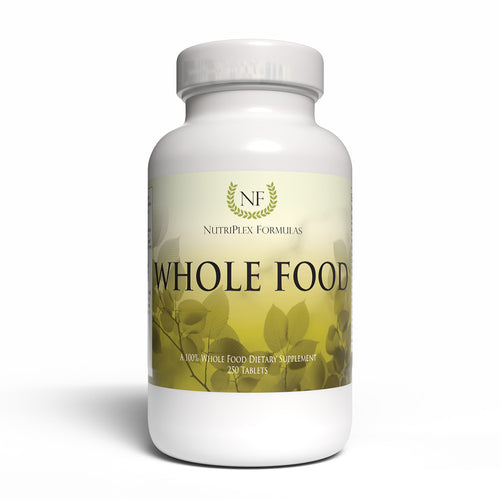
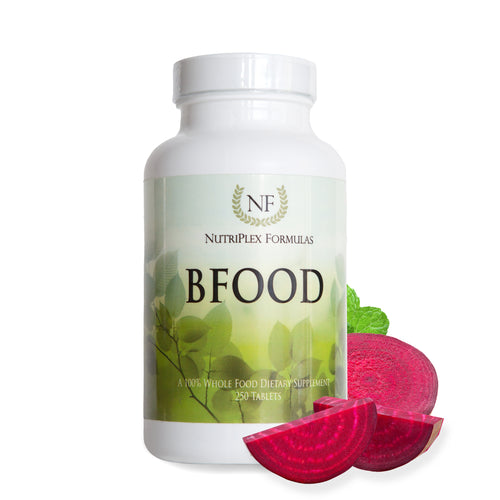
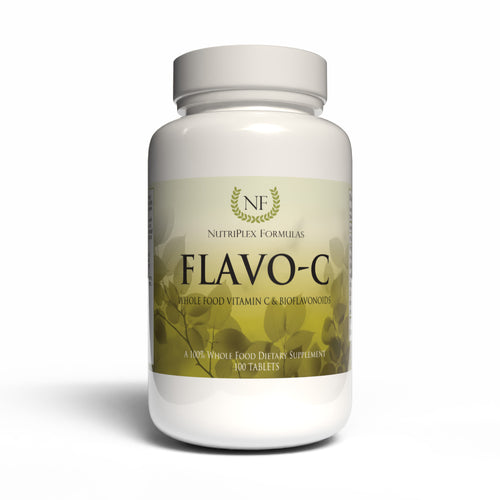

These statements have not been evaluated by the Food and Drug Administration. This product is not intended to diagnose, treat, cure, or prevent any disease.