
Adrenal Fatigue, Adrenal Support, B Complex
Natural Adrenal Support Supplement: What Your Adrenals Actually Need (And What They Don't)

If you've searched for a natural adrenal support supplement, you may have noticed two main types of content: articles that say "adrenal fatigue" isn't real, and articles selling you a blend of adaptogens with vague promises about "stress balance." Neither is particularly helpful.
The reality is simpler than either camp suggests. Your adrenal glands have a specific job, they need specific nutrients to do that job, and years of chronic stress can deplete those nutrients to the point where the adrenals struggle to keep up. It's a matter of biochemistry.
This article covers what the adrenals do, what happens when they're overtaxed, what they need nutritionally, and when it's time to see a healthcare practitioner.
What the Adrenal Glands Do
Your adrenal glands are two small glands that sit on top of your kidneys. They produce hormones that regulate your stress response, energy levels, blood pressure, immune function, and blood sugar. And they most famously help the body in the face of a threat, whether physical or emotional. The reaction that the adrenal glands deal with is famously called fight or flight.
Undoubtedly, emotional trauma affects stress hormones, because the subconscious mind is convinced that the trauma is current even though to the conscious mind it may not be remembered or it seems relegated to memory, the past. I have written about this in great detail in my book "Stressing Out Over Happiness: exploring the effects of stress, meditation and happiness."
The key hormones:
| Hormone | What It Does | When It's Released |
|---|---|---|
| Cortisol | Mobilizes stored energy, manages inflammation, regulates sleep-wake cycle | In response to stress; follows a daily rhythm (highest in the morning, lowest at night) |
| Adrenaline (Epinephrine) | Increases heart rate, blood pressure, and blood sugar for immediate energy | In response to acute stress or threat |
| Norepinephrine | Sharpens focus and attention, constricts blood vessels | In response to stress, alongside adrenaline |
| DHEA | Precursor to sex hormones, supports immune function, counterbalances cortisol | Follows a daily rhythm; declines with age |
| Aldosterone | Regulates sodium/potassium balance, blood volume, and blood pressure | In response to changes in blood pressure and electrolyte levels |
In a healthy system, these hormones activate when needed and then return to baseline. The adrenals rest between activations, replenish their nutrient stores, and are ready for the next demand or threat.
The problem arises when the demands never stop.

From B-Vitamin Depletion to Adrenal Concerns
This is the pattern I've observed in clinical practice for three decades:
Step 1: B-vitamin depletion. Chronic stress, caffeine, refined sugar, and nutrient-deficient diets gradually deplete B-complex vitamins. These vitamins are essential for cellular energy production in the mitochondria (the powerhouse of each cell). Something that biochemists and neuroscientists call the Krebs cycle within the cell converts food into ATP (the molecule for energy).
Step 2: Energy production slows. With fewer B vitamins available, the mitochondria produce less ATP. And this means less energy to live your life. You start feeling tired in a way that doesn't resolve with sleep. Maybe you reach for coffee, a muffin, a candy bar, or even a cigarette. You push through. You may not connect the fatigue to nutrition because the depletion happened gradually. Or maybe you just aren't clear about how food works in your body.
Step 3: The stress response system compensates. When the body's normal energy-producing systems are unable to fully meet demand—whether because of poor nutrition, inadequate sleep, chronic stress, illness, overtraining, blood sugar instability, or some combination thereof—the stress-response system helps bridge the gap. The adrenal glands release cortisol and adrenaline, signaling the liver to release stored glycogen and encouraging the mobilization of fatty acids from fat tissue.
Step 4: The burden accumulates. Stress physiologist Hans Selye observed that the body pays a price when it remains in a prolonged state of adaptation. More recently, neuroscientist Bruce McEwen described this accumulated physiological burden as "allostatic load"—the wear and tear that results when stress-response systems are activated too frequently or for too long.
This is the person who has been running on fumes for months — functioning at work, holding things together at home, but never quite recovering. Sleep becomes less restorative. Blood sugar becomes less stable. Recovery slows. Concentration, motivation, and emotional resilience decline. Many people describe feeling simultaneously exhausted and overstimulated—tired during the day, restless at night, dependent on caffeine for energy yet unable to fully relax.
Step 5: The cycle becomes self-reinforcing. Maintaining energy production and mounting a stress response both require nutritional resources. B vitamins, vitamin C, and numerous other nutrients participate in the biochemical pathways that support cellular energy production, neurotransmitter synthesis, and hormone regulation.
When stress becomes chronic, the body's demand for these resources increases. At the same time, poor sleep, poor diet, digestive disturbances, and ongoing physiological stress may reduce the body's ability to replenish them. The result can be a vicious cycle: fatigue increases stress, stress increases physiological demand, and increased demand can make recovery more difficult.
Over time, the body's emergency systems begin to feel less like a backup generator and more like the primary power source.
Some practitioners refer to this pattern as adrenal fatigue. Regardless of terminology, the pattern is familiar: a body that has been relying too heavily on stress chemistry for too long.
The solution is not simply to stimulate the system further with caffeine, drugs, energy drinks, sugar, or willpower. Recovery begins by restoring the foundations of energy production—nutrient-dense food, restorative sleep, healthy movement, stress reduction, and sufficient recovery time. As these foundations improve, the body's emergency systems can gradually return to the intermittent role for which they were designed.
This isn't a disease. It's a compensation pattern that can develop when the primary energy system is under-fueled for too long. The solution isn't to "fix" the adrenals in isolation. It's to restore the nutritional foundation so the adrenals can go back to their normal, intermittent role.

What Your Adrenals Actually Need
Vitamin C
The adrenal glands hold among the highest concentrations of vitamin C of any tissue in the body. They use vitamin C to produce cortisol and other stress hormones. During periods of high stress, vitamin C is consumed rapidly.
Whole foods that contain it: acerola cherry (one of the most concentrated natural sources), camu camu (has even more vitamin C than acerola and citrus fruits), citrus fruits, berries, bell peppers, amla berries, apples, leafy greens.
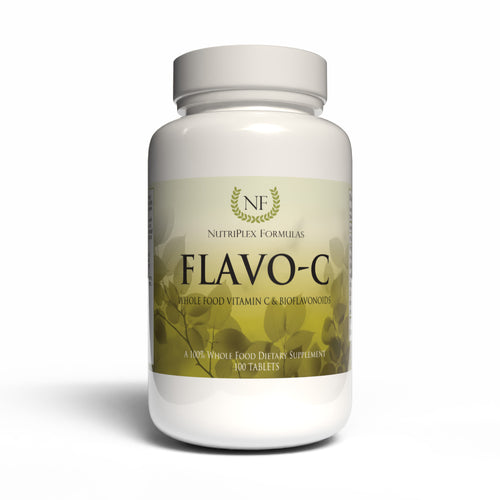
Flavo-C provides vitamin C contained within whole foods — acerola cherry, camu camu fruit, and bilberry — with the full complement of bioflavonoids and cofactors that support vitamin C utilization.
B-Complex Vitamins
B vitamins play an essential role in cellular energy metabolism, helping the body convert food into usable energy through pathways such as the Krebs cycle and mitochondrial respiration. They are also involved as supporting cofactors in many biochemical processes related to neurotransmitter and stress physiology.
When the body is under chronic stress or energy demand, its overall need for nutrients involved in energy metabolism may increase. If dietary intake is insufficient, this can contribute to feelings of fatigue, reduced resilience, and slower recovery.
Rather than relying on stress hormones to carry energy demands, the body functions best when it has adequate nutrition, stable blood sugar, restorative sleep, and appropriate recovery. Supporting these foundations helps reduce the need for prolonged stress-system activation and allows normal regulatory systems to function more efficiently.
Whole foods that contain them: nutritional yeast, wheat germ, beet root, oat bran, leafy greens, eggs, sunflower seeds, bovine liver.
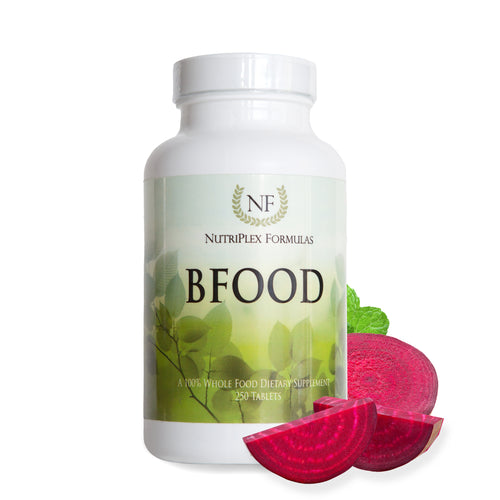
BFood provides a whole food B-complex built from several of them — wheat germ, bovine liver, beet root, oat bran, and sunflower seed — with the cofactors intact.
Glandular Support
Traditional nutritional practice has long used glandular supplements — animal-sourced tissue from the same organ being supported — to provide nutrients specific to that organ. Adrenal glandular supplements provide proteins, peptides, and nutrients concentrated in adrenal tissue.
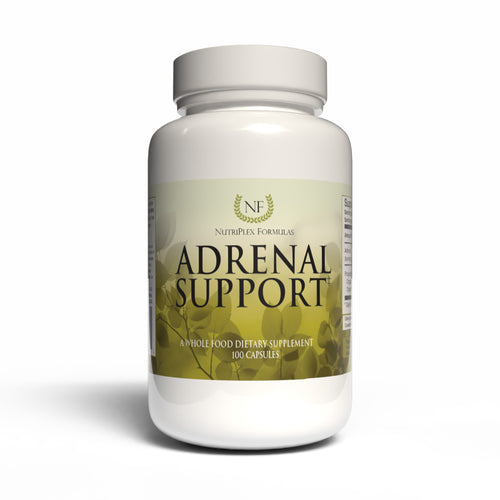
Adrenal Support contains adrenal substance from grass-fed, free-range bovine from drug-free sources such as Argentina (not USDA), along with organic acerola cherry (vitamin C) and organic sunflower seed. This combination provides both the glandular support and the vitamin C the adrenals need to perform their function of stress response.
Supporting Minerals and Other Nutrients
The adrenals depend on a range of minerals and nutrients beyond B vitamins and vitamin C — including zinc, iron, and various trace minerals involved in hormone production and energy metabolism. A varied whole food diet that includes leafy greens, nuts, seeds, eggs, and fish provides the broader foundation these systems need.
Adequate Protein and Healthy Fats
The adrenal hormones are synthesized from basic building blocks: cortisol is derived from cholesterol, while adrenaline is produced from the amino acid tyrosine.
In normal physiology, the body is usually able to manufacture these precursors on its own, but diet still plays an important supportive role. Adequate intake of healthy fats and sufficient protein provides the raw materials and metabolic support needed for hormone production and overall energy balance.
Foods such as olive oil, avocado, nuts, seeds, eggs, fish, and legumes contribute to the broader nutritional foundation that supports healthy metabolic and stress regulation systems.

Foods That Support Adrenal Health
| Food | What It Provides | How to Use It |
|---|---|---|
| Eggs | B vitamins, protein, healthy fats, complete amino acids | Breakfast staple — protein and fat stabilize blood sugar |
| Nutritional yeast | B-complex vitamins, protein, trace minerals | Sprinkle on eggs, salads, roasted vegetables |
| Beet root | Folate, iron, nitrates for oxygen delivery | Roast as a side dish or add beet root powder to smoothies |
| Leafy greens (spinach, kale) | Folate, iron, trace minerals | Handful in a smoothie, side salad at lunch |
| Sunflower seeds, raw | B vitamins, vitamin E, zinc, glutamine | Keep at your desk for a mid-morning or afternoon snack |
| Acerola cherry | Concentrated vitamin C with bioflavonoids | Available as a supplement ingredient — in Flavo-C and Adrenal Support |
| Almonds, raw | Healthy fats, protein, vitamin E | Handful between meals to help keep blood sugar steady |
| Ginseng | Adaptogenic properties — helps the body respond to stress | As tea, particularly in the afternoon as a caffeine replacement |
What "Adrenal Fatigue" Actually Means
The term "adrenal fatigue" is controversial in conventional medicine. Endocrinologists point out that the adrenal glands don't "fatigue" the way a muscle does — they don't simply run out of capacity. The medical establishment recognizes adrenal insufficiency, including a more severe manifestation called Addison's disease. In fact, this is the illness that President John Kennedy suffered from, mostly hidden from the public. It's a serious condition wherein the adrenals can't produce enough hormones. But the milder, chronic pattern doesn't have a universally accepted diagnostic label.
Researchers have documented that prolonged stress can affect the body's stress-response systems, alter cortisol regulation, increase physiological demands, disrupt sleep, influence blood sugar regulation, and contribute to what neuroscientist Bruce McEwen called "allostatic load"—the cumulative burden placed on the body by chronic adaptation to stress. At the same time, adequate supplies of nutrients such as B vitamins, vitamin C, and other minerals remain essential for normal energy metabolism, recovery, and stress regulation.
Some practitioners describe this pattern as adrenal fatigue. Others prefer terms such as HPA-axis dysregulation, stress-system dysfunction, chronic stress adaptation, or burnout. Regardless of terminology, the practical approach is remarkably similar: improve nutrition, restore sleep, stabilize blood sugar, reduce unnecessary stressors, engage in appropriate physical activity, and provide the body with the resources it needs to recover and regain resilience.
When to See a Healthcare Practitioner
The nutritional approach described here addresses the most common pattern behind persistent fatigue and stress intolerance. But there are situations that need professional evaluation:
- Fatigue that doesn't improve after 4-6 weeks of dietary and lifestyle changes. This may indicate thyroid dysfunction, anemia, sleep apnea, or another condition.
- Unexplained weight gain, especially around the midsection. May indicate cortisol dysregulation or metabolic issues.
- Dizziness when standing up. May indicate adrenal insufficiency or low blood pressure.
- Salt cravings. Can indicate aldosterone imbalance.
- Darkening of the skin, especially in skin folds or scars. A hallmark of Addison's disease (true adrenal insufficiency).
- Severe anxiety or depression that interferes with daily life. May have biochemical, psychological, or neurological components that benefit from professional guidance.
Of course, the above symptoms may be related to something other than adrenal issues, but it's good to get checked out to be sure of what they are coming from. If something feels off beyond normal fatigue and stress, see your healthcare practitioner. The information in this article supports wellness. It doesn't replace medical diagnosis or treatment.

Choosing a Natural Adrenal Support Supplement
Not everything marketed as "adrenal support" is helpful. A few things to be cautious about:
Stimulants marketed as energy supplements. Caffeine, guarana, and high-dose synthetic B vitamins create the sensation of energy by triggering the same stress response that's already overworked. Each dose depletes the nutrients you're trying to rebuild — especially if the supplement or energy drink contains sugar. And be aware that sugar goes by many names, not just the generic word "sugar." If a label lists ingredients ending in "-ose" (such as sucrose, fructose, or dextrose) or contains words like syrup, concentrate, or juice crystals, it is a form of sugar.
"Adrenal support formulas" loaded with adaptogens and no food nutrients. Adaptogens like ashwagandha and rhodiola have good research behind them, but a blend of adaptogens without the foundational B vitamins, vitamin C, and minerals is addressing the response without providing much-needed nutrition.
Synthetic cortisol (hydrocortisone) supplements without medical supervision. Over-the-counter cortisol supplements can suppress your body's own production and create dependence. Never take cortisol supplements without a healthcare practitioner's guidance.
The most effective natural adrenal support supplement addresses underlying nutritional deficiencies — the B vitamins, vitamin C, essential fatty acids, and minerals that the adrenals use to do their job — while providing specific glandular and whole food nutrients that support adrenal tissue directly.
Frequently Asked Questions
How long does adrenal recovery take?
It depends on how long the pattern has been running and how deep the depletion is. Some people feel noticeably better within days of starting a whole food B-complex and improving their diet. Full recovery from years of chronic stress and depletion takes weeks to months. Real, natural healing is a bodily process that takes time. You feed your body the needed nutrients and nature takes its course.
Can I take Adrenal Support long-term?
It's good to use a bottle then see how you feel. Adrenal Support is a whole food supplement providing nutrients the adrenal glands use continuously. There's no concern with creating a problematic imbalance with whole food glandular supplements the way there is with synthetic hormones.
Do I need both BFood and Adrenal Support?
They address different parts of the same system. BFood provides the B vitamins your mitochondria need for normal energy production — the primary system. Adrenal Support provides targeted nutrition for the adrenal glands — the system that supplies emergency energy in the face of a perceived threat, either emotional or physical. For people with the fatigue + stress pattern, both are useful.
What adaptogens are in Adrenal Support?
Adrenal Support doesn't contain traditional adaptogens like ashwagandha or rhodiola. It contains adrenal substance (bovine glandular), acerola cherry (vitamin C), and sunflower seed. The approach is direct nutritional support for the adrenal glands rather than herbs that modulate the stress response indirectly.
Can stress cause weight gain?
Yes. Chronic stress elevates cortisol, which promotes fat storage, particularly around the midsection (visceral adipose tissue). Stress also triggers cravings for sugar, stimulants, and refined carbohydrates, which compounds the problem. Rebuilding the nutritional foundation is part of addressing that whole pattern, rather than treating the weight on its own.
Should I stop drinking coffee while supporting my adrenals?
You don't need to quit entirely. But caffeine activates the same stress-response pathway that's already overworked, and it depletes B vitamins and vitamin C. Reducing to one cup in the morning and eliminating afternoon coffee is a practical starting point. If you can stop completely it would most likely help, but it's best to take a tack you can follow without giving up. Try replacing afternoon coffee with water or a tea of ginseng, hibiscus, peppermint, or ginger.
What's the difference between Adrenal Support and a cortisol supplement?
Adrenal Support provides nutrients the adrenal glands use to produce their own hormones. A cortisol supplement provides the hormone itself, which can suppress your body's own production. They work in opposite directions: one feeds the system, the other is designed to introduce cortisol into your system.
Products Mentioned in This Article

These statements have not been evaluated by the Food and Drug Administration. This product is not intended to diagnose, treat, cure, or prevent any disease.