
B Complex, Circadian Rhythm, Energy
Sleep and Energy: Why Quality Matters More Than Hours

You've heard the rule: get 8 hours of sleep. And maybe you do. Maybe you even get 9 or 10. But you still wake up feeling like you got 3, and you spend the first half of the morning in a fog that doesn't lift except maybe if your coffee kicks in.
The problem usually isn't how long you sleep. It's how well you sleep. And the factor that separates good sleep from poor rest may be simpler than most sleep advice makes it seem.
Sleep Quality vs. Sleep Quantity
Seven hours of solid, uninterrupted sleep will leave you more rested than ten hours of fragmented, shallow sleep. This is a result that's consistent across sleep research. Quality determines how much of your sleep is restorative.
Your body moves through several sleep stages during the night, including deep sleep (where physical repair happens) and REM sleep (where cognitive processing and memory consolidation happen). If you're waking up frequently, lying in bed with a racing mind, or sleeping in a room that's too warm, too bright, too cold, or too noisy, you may be getting the hours without getting the stages that matter.
| Sleep Factor | Impact on Energy |
|---|---|
| Total hours | Necessary but not sufficient — empty hours don't restore |
| Time spent in deep sleep | Physical repair, immune function, cellular energy restoration |
| Time spent in REM sleep | Cognitive processing, memory, emotional regulation |
| Sleep continuity | Frequent waking disrupts the cycle and reduces deep sleep |
| Consistency of bedtime | Irregular schedules confuse circadian rhythm |
| Pre-sleep state (calm vs. stimulated) | Determines how quickly you enter restorative stages |
The last item on that list — your pre-sleep state — is the single factor that most people can change tonight with the biggest payoff.

The One Habit That Matters Most
If you do nothing else from this article, try this: 10-15 minutes of quiet before bed.
No phone. No screen. No planning or problem-solving. Just quiet. Sit on the couch. Look out a window. Listen to the house settle. Do a little meditation. Let your mind slow down.
This sounds almost too simple to work, but the physiology is straightforward: screens and mental stimulation can keep your sympathetic nervous system (the "fight or flight" system) activated. Your heart rate and cortisol can stay elevated, and when you finally close your eyes, your body may not have switched to the parasympathetic ("rest and digest") state that deep sleep relies on.
Those 10-15 minutes of stillness before bed give your nervous system time to make that transition. Relaxation before bed may help you fall asleep more easily by easing stress and muscle tension, and the difference can show up in how you feel the next morning.
For extra impact, add no screens for 30 minutes before bed. The blue light from phones and tablets suppresses melatonin, the hormone that signals your body it's time to sleep. But even without the blue light, the mental stimulation of scrolling or reading news keeps the sympathetic system engaged.

Poor Sleep Triggers Inflammation
Sleep loss doesn't just make you tired. It can activate inflammatory pathways.
Research from UCLA's Cousins Center for Psychoneuroimmunology found that even partial sleep loss for one night can trigger the cellular pathway that produces tissue-damaging inflammation. This isn't a dramatic, visible inflammation like a swollen ankle. It's systemic, low-grade inflammation — the kind that may contribute to cardiovascular strain, joint stiffness, brain fog, and reduced immune function over time.
This can create a feedback loop: poor sleep may trigger inflammation, inflammation can disrupt sleep quality, and the cycle can reinforce itself. Breaking it starts with improving sleep quality, even by a small margin.
Practical Sleep Habits for Busy People
Most sleep advice assumes you have unlimited control over your schedule. You don't. You have a job, possibly children, and a list of things that need to happen after they go to bed. These are the habits that work within real constraints:
Set a consistent wake-up time. This matters more than a consistent bedtime. Your circadian rhythm anchors to when you wake up, not when you fall asleep. Pick a time and stick to it — even on weekends. Yes, even on weekends. The "sleeping in" on Saturday feels good in the moment but disrupts your rhythm for Monday and Tuesday.
10-15 minutes of quiet before bed. Already covered above, but it's the single most effective habit on this list. If you can only change one thing, change this.
Keep the bedroom cool and dark. Your body temperature drops during sleep. A warm room fights this natural process and keeps sleep shallow. Ideal bedroom temperature for most people is 65-68 degrees. Blackout curtains or a sleep mask handle the light.
Move your body during the day. Daily physical activity improves sleep quality more reliably than any supplement or sleep hack. It doesn't need to be intense. A walk at lunch, a stretching routine, or 10 minutes of yoga before dinner. The consistency matters more than the intensity.
Stop caffeine by noon. Caffeine has a half-life of 5-6 hours, meaning half of the caffeine from your 2pm coffee is still circulating at 8pm. You might fall asleep, but your sleep architecture is compromised — less deep sleep, more time in light stages.
Eat dinner earlier and lighter when possible. A heavy meal close to bedtime diverts blood and energy to digestion when your body should be in repair mode. If late dinner is unavoidable, keep it smaller and lower in simple carbohydrates.
The Sleep-Nutrition Connection
Sleep and nutrition are intertwined. Poor sleep can deplete some of the same nutrients that poor nutrition does, and both often converge on the same symptom: fatigue.
During sleep, your body uses B vitamins and minerals for repair processes, neurotransmitter replenishment, and immune function. If you're going into sleep already running low — because of stress, caffeine, or a nutrient-poor diet — your body may not have all the raw materials it needs for that nightly maintenance. You can wake up with those nutrients still short.
Conversely, when B-vitamin status is less than optimal, it may contribute to sleep problems. Insomnia and restlessness are documented symptoms of less-than-optimal B-complex status. So is the opposite: sleeping long hours but never feeling rested.
The practical takeaway: the food habits described in the Steady Energy course (eggs and seeds at breakfast, B-vitamin-rich foods throughout the day, reduced caffeine, regular meal timing) support sleep quality as much as they support daytime energy. They're two sides of the same coin.
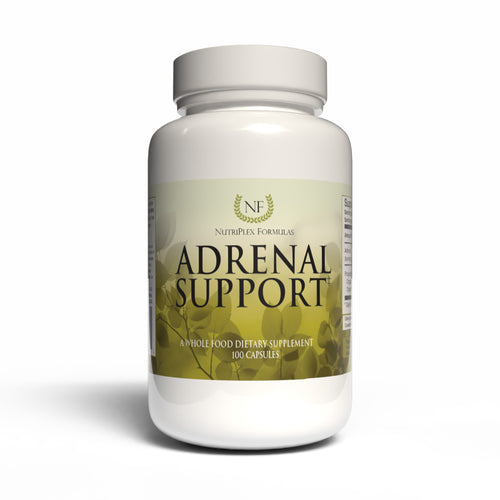
When the depletion is deep — years of running on caffeine and stress — a whole food B-complex like BFood can help replenish the nutrients your body needs for restorative sleep. Adrenal Support can help calm an overactive stress-response system that's keeping you in "wired but tired" mode. And InflaPlex provides whole foods and herbs that help the body with the inflammation that poor sleep triggers — supporting the body's natural repair process and helping break the cycle where inflammation disrupts sleep quality further.
These aren't sleep supplements. They're nutritional support that helps remove the obstacles to good sleep.

What Not to Do
Don't rely on sleep supplements. Melatonin, valerian, magnesium — these can help occasionally, but they don't address the underlying cause of poor sleep. If your sympathetic nervous system is constantly activated and your B vitamins are depleted, a melatonin pill is putting a bandage on a nutritional problem. If your doctor has you on sleep meds, discuss this with her and see what she has to say.
Don't track sleep obsessively. Sleep trackers can be useful for noticing patterns, but they can also create anxiety about sleep, which makes sleep worse. If tracking helps you notice that caffeine after noon disrupts your sleep, great. If it makes you anxious about your "sleep score," put the tracker away.
Don't try to fix sleep with more sleep. If you're sleeping 8-9 hours and still tired, adding more hours won't help. The issue is sleep quality, nutritional support, or both. Adding hours just gives you more time in shallow, non-restorative sleep stages.
Frequently Asked Questions
Is 6 hours of good sleep better than 8 hours of bad sleep?
For energy and cognitive function, yes. But the goal is 7-8 hours of good sleep. Prioritize quality habits (pre-bed quiet, cool room, consistent schedule) and the hours take care of themselves for most people.
Why do I wake up at 3am every night?
Waking in the early morning hours is often related to blood sugar dropping during the night (the body releases cortisol to compensate, which wakes you up) or an overactive stress-response system. A small protein-and-fat snack before bed can help with the blood sugar component. The pre-bed quiet habit helps with the stress component.
Does exercise help sleep?
Yes, reliably. Daily physical activity is one of the most well-supported sleep interventions. The timing matters: morning or afternoon exercise improves sleep quality. Intense evening exercise can delay sleep onset for some people.
Can B vitamins help me sleep?
Foods that contain B vitamins — and not the typical vitamin B supplements that are actually synthetic — support the production of neurotransmitters (serotonin, GABA) involved in sleep regulation. Less-than-optimal B-vitamin status can contribute to insomnia or restless sleep. Rebuilding B-vitamin levels through food and whole food supplementation often improves sleep quality as a downstream effect.
What about melatonin?
Melatonin can help with jet lag or temporary schedule disruption. For chronic sleep issues, it's addressing a symptom, not a cause. Focus on the habits that support your body's own melatonin production: reduced screen time before bed, morning sunlight, consistent wake-up time.
Why do I feel more tired after sleeping longer on weekends?
Sleeping in disrupts your circadian rhythm. Your body expects to wake up at a certain time, and when you override that by sleeping 2-3 hours longer, it confuses the clock. This is sometimes called "social jet lag." Consistent wake times — even on weekends — prevent this.
How does stress affect sleep quality?
Chronic stress can keep cortisol elevated, which may suppress melatonin and maintain sympathetic nervous system activation. Your body can stay in a low-grade alert state that interferes with deep sleep. This is why the pre-bed quiet habit is so effective — it actively downregulates the stress response before sleep begins.
Products Mentioned in This Article



These statements have not been evaluated by the Food and Drug Administration. This product is not intended to diagnose, treat, cure, or prevent any disease.