
B Complex, Blood Sugar, Energy
Energy Habits That Work Beyond Supplements

If you're reading this, there's a good chance you've already tried a few things to fix your energy. Maybe a vitamin B complex supplement. Maybe more sleep. Maybe another cup of coffee at 2 pm. Or an energy bar, or a doughnut. But you're still hitting the same wall every afternoon, wondering if this is just what getting older feels like.
It's not. Most persistent fatigue has a pattern behind it, and that pattern usually starts with the food you eat (and don't eat), timing, and daily habits. Supplements have their place, but they work best when the foundation is right. This article is about building that foundation.
The Afternoon Crash Is Chemistry, Not Laziness
That 2 p.m. wall — the one where your brain stops cooperating and your eyelids get heavy — isn't necessarily a character flaw. It may be related to blood sugar fluctuations.
When you eat a meal high in refined carbohydrates or sugar, blood sugar rises rapidly. The pancreas responds by releasing insulin to lower it. In some individuals, blood sugar may then fall quickly, triggering the release of stress hormones such as adrenaline and cortisol to help restore balance.
The result can be a brief surge of nervous energy followed by a deeper crash. For some people, this cycle may repeat throughout the day when meals are heavily dependent on refined carbohydrates or are poorly balanced.
| Crash Trigger | What's Happening | What to Do Instead |
|---|---|---|
| Skipping a proper breakfast | Blood sugar drops, adrenals compensate with stress hormones | Eat protein + fat as the main components of breakfast |
| Sugary breakfast (cereal, pastry, juice) | Blood sugar spikes then crashes by mid-morning | Eggs + seeds or almonds — fats and protein stabilizes the curve |
| Large gap between meals (5+ hours) | Blood sugar drops gradually, energy follows | Eat something smaller several times a day instead of large meals |
| High-carb lunch with little fat or protein | Rapid spike and crash in the early afternoon | Add protein and fat to every meal |
| Late-afternoon coffee and/or a sugary food or drink | Masks the crash temporarily, delays the real crash to evening | Water, ginseng tea, or a small snack of fat or protein |
The single fastest change most people can make is restructuring breakfast. Eggs, sunflower seeds, almonds, avocado, or any combination of protein and healthy fat in the morning creates a slower, steadier blood sugar curve that carries through the first half of the day.

Food Timing Matters More Than Most People Realize
You can eat well and still feel exhausted if your meal timing works against your body's natural rhythms. While there is ongoing debate about breakfast and fasting, many traditional cultures — and a growing body of research on circadian biology — suggest that your body handles food more efficiently earlier in the day (but not too early) than late at night.
Practical changes: - Consider making an early breakfast optional, not mandatory. This seems revolutionary, but it's what the research is confirming. Some people feel best eating soon after waking, while others thrive with a longer overnight fast. Pay attention to your energy, focus, and hunger cues rather than following a rigid schedule. - Make your first meal count. Whether it's at 7 a.m. or 11 a.m., emphasize protein, healthy fats, and fiber-rich foods that provide steady energy rather than a rapid spike and crash. Eggs, nuts, seeds, vegetables, avocado, and whole-food carbohydrates (a serving of fruit and berries, for example) are better choices than sugary cereals, pastries, or sweetened drinks. - Avoid waiting until you're ravenously hungry. Large gaps between meals can leave some people feeling fatigued, irritable, or prone to overeating. A balanced snack may help maintain steady energy when needed, but constant grazing is not necessary for everyone. - Shift more of your calories earlier in the day. Many people eat lightly during the day and consume their largest meal at night, dinner or supper. Reversing that pattern may support more stable energy, better blood sugar regulation, and improved sleep. - Keep dinner lighter and earlier when possible. A heavy evening meal can interfere with sleep quality and digestion.
What Depletes Your Energy (The Short List)
Most articles about energy focus on what to add. Sometimes it's more useful to look at what to remove from your diet.
Caffeine after noon. When you consume caffeine, it binds to adenosine receptors and prevents adenosine from exerting its normal effects. You feel more alert even though the underlying sleep pressure is still building.
Refined sugar. The blood sugar spike-and-crash cycle is the primary energy thief in far too many diets. This includes obvious sources (candy, soda, pastries) and less obvious ones (white bread, pasta, fruit juice, flavored yogurt). People are literally addicted to sugar; it's in nearly every processed food and drink.
Chronic low-grade dehydration. This is a simple equation. When you're dehydrated, blood volume decreases. With less circulating fluid, the heart has to work harder to deliver oxygen and nutrients to tissues. Water plays a role in most of the body's energy-producing reactions. Even mild dehydration — the kind where you don't feel thirsty but haven't had water in hours — can reduce energy and mental clarity. Every metabolic process involved in producing ATP—the energy currency of the cell—occurs in a water-based environment. Most people need more water than they think.
Skipping meals and then overeating. This creates the worst possible blood sugar pattern: a long valley followed by a sharp peak. The peak triggers an insulin overshoot, which creates another valley. It's a rollercoaster, and your energy often follows the same pattern.
Sitting all day. Physical movement that causes muscle contractions helps pump blood and lymphatic fluid throughout the body. And movement or exercise improves blood flow, oxygen delivery, and nutrient transport to every cell. When you sit for long periods: - Circulation slows. - Oxygen delivery becomes less efficient. - Waste products can accumulate more readily.
Many people experience the results of dehydration as afternoon sluggishness or brain fog. Even a 10-minute walk after lunch measurably improves afternoon energy compared to sitting through the whole afternoon.

Five Foods That Sustain Energy
You don't need superfoods or exotic powders. Real, nutritious, energy-supportive foods are available at any good grocery store.
1. Eggs. Complete protein with all nine essential amino acids. The fat and protein combination slows digestion and creates a steady energy release. Two eggs at breakfast can reshape your entire morning.
2. Sunflower seeds and almonds. Good sources of B vitamins, magnesium, and healthy fats. A small handful between meals may help to ward off the blood sugar dip that triggers afternoon fatigue. Sunflower seeds are particularly high in glutamine, an amino acid involved in cellular energy conversion.
3. Beet. Contains iron, folate, and nitrates that support oxygen delivery to tissues. Research has shown beet juice can increase stamina by reducing the oxygen cost of physical activity. The easiest way to add this: cut beets in small chunks and add them to your salad, or add half a beet to your veggie smoothie. You don't need to roast them or take a lot of time for preparation.
4. Leafy greens. Spinach, kale, and other dark greens provide folate, vitamin C, magnesium, and iron — four nutrients directly involved in energy production. A handful of spinach in a morning smoothie or a side salad at lunch is enough to make a difference over time. Many people who do not like the taste of cooked spinach often enjoy raw spinach in their salads.
5. Nutritional yeast. One of the richest whole foods for B-complex vitamins. Sprinkle it on eggs, salads, or popcorn. It has a savory, slightly cheesy flavor. B vitamins are central to the biochemical reactions your cells use to produce energy from food. Because rapidly dividing tissues and metabolically active organs such as the brain, heart, and muscles have high energy demands, they are particularly sensitive when B-vitamin status is less than optimal. Symptoms of inadequate intake may include fatigue, weakness, poor concentration, low stamina, and reduced physical performance.

The Habits That Compound
Lasting energy to pull you out of chronic tiredness isn't built in a day. It's built by small habits that compound over weeks.
Track your energy, not your calories. For one week, note what you eat, when you eat, and how you feel 1-2 hours later. Rate your energy on a 1-5 scale at four points during the day: morning, lunchtime, mid-afternoon, and evening. Within a few days, you'll start seeing patterns: which meals carry you through the afternoon, which ones drop you. This awareness alone changes behavior.
Move for 10 minutes after lunch. A walk, some stretching, a few minutes in the yard, or even wait a half hour then do a dozen squats, jumping jacks, and push ups. This isn't just exercise. It's blood sugar management. Movement after a meal helps glucose enter your cells without requiring as much insulin, which means a smoother energy curve through the afternoon.
Replace your afternoon coffee with water or ginseng tea. This one may be difficult for about a week, then it gets easier. The afternoon slump you're trying to fix with coffee is usually caused by dehydration, blood sugar imbalance, or both. Water addresses the first. A small snack addresses the second. Ginseng has been used traditionally as an adaptogen — a substance that helps the body recover from prolonged stress without the spike-and-crash of caffeine.
Eat something B-vitamin-rich before your most stressful window. Stress uses up B vitamins along with vitamin C and magnesium. If your mornings are chaotic, eat eggs before the rush. If afternoons are heavy with meetings, sprinkle nutritional yeast on your lunch. You're giving your body the raw materials it needs during the time it needs them most.
Go to bed 15 minutes earlier than usual. Not an hour — just 15 minutes. Most people can absorb this change without disruption. After a week, add another 15 minutes. Cumulative sleep debt is one of the most common and most invisible causes of persistent fatigue.
When Habits Need Tweaking
Food, timing, and lifestyle habits solve most everyday fatigue. But there are situations where they aren't enough on their own.
If you've been running on caffeine, poor nutrition, and stress for years, your body may be depleted more deeply than food alone can restore. Consider this too: modern food is less nutritious than it was 50 years ago. Soil depletion, long storage times, and processing all take a toll, and many foods also carry residues from pesticides, dyes, and other additives.
If you are eating the typical Standard American diet of processed foods, boxed cereals, nonorganic produce, and food that comes in packages, your body has very little to work with, and low energy is usually the first place you notice it. Targeted whole food supplementation can help bridge the gap while you ease yourself into a healthful diet and your body rebuilds.
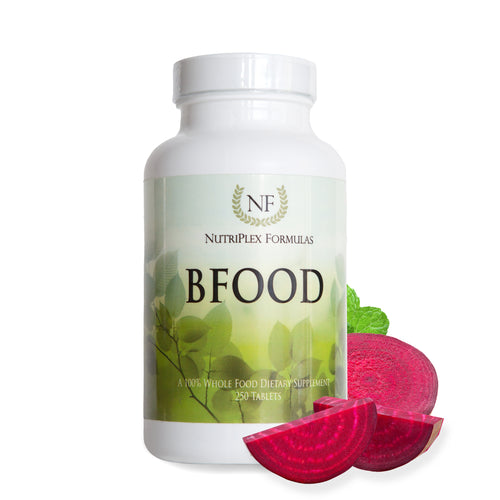
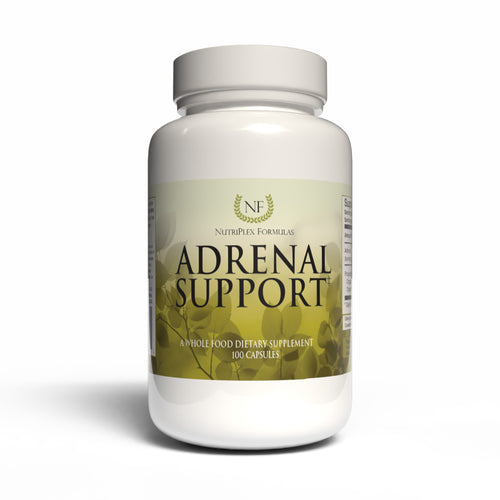
The key word is "whole food." Your body recognizes nutrients from food. It knows what to do with them. Isolated, synthetic vitamins, as well as the non-foods mentioned above, are missing the cofactors — the helper nutrients that allow vitamins to do their jobs inside your cells. A whole food B-complex like BFood provides the full nutrient complex your mitochondria use to produce energy. For people whose adrenals have been compensating for a long time, Adrenal Support provides targeted support for that issue.
But start with the foundation. Restructure breakfast. Add real, supportive nutrition. Move after lunch. Track your patterns. Give this two weeks before deciding if you need more.
Frequently Asked Questions
How long does it take for energy habits to make a noticeable difference?
Most people notice a difference within 3-5 days of stabilizing blood sugar through regular meals and a protein- and fat-rich breakfast. The compounding effect of better sleep, movement, and hydration becomes more obvious over 2-3 weeks.
Can I still drink coffee?
One cup in the morning is fine for most people. Most can ease into organic decaf. The bigger issue is afternoon coffee, which masks fatigue instead of addressing it. And coffee notoriously disrupts sleep quality even if you fall asleep on time. If you currently drink 3-4 cups a day, reduce by one cup per week and then continue to wean yourself off of it.
What if I'm eating well and still exhausted?
Persistent fatigue despite good habits can indicate nutritional depletion that's accumulated over years. And this can contribute to other imbalances in your health. Fatigue can also signal something that may require medical attention — thyroid issues, anemia, sleep apnea, or other conditions. If a month of solid habits hasn't moved the needle, talk to your healthcare practitioner.
Do I really need to eat breakfast? I'm not hungry in the morning.
The short answer is no. Despite decades of conventional advice, there is no universal rule that says everyone must eat breakfast. Human beings differ in their metabolism, activity levels, schedules, and hunger patterns. What works well for others may not work well for you.
Is snacking between meals actually healthy?
When the goal is steady energy, yes. Small, protein- and fat-containing snacks between meals prevent the blood sugar dips that trigger fatigue and sugar cravings. This doesn't mean grazing on chips. Rather, eat a handful of organic nuts and sunflower seeds, a hard-boiled egg, or some vegetables with hummus.
Why does a big lunch make me so tired?
Large meals — especially carbohydrate-heavy ones — cause a proportionally large insulin response. That insulin surge pulls blood sugar down faster than a smaller meal would, and the drop in blood sugar is what you feel as the post-lunch slump. Smaller lunches with balanced protein, fat, and low carbohydrates produce a gentler curve.
What's the best time to exercise for energy?
Morning movement (even 10-15 minutes) sets your circadian rhythm and improves energy for the rest of the day. A short walk after lunch helps manage blood sugar. Intense exercise in the evening can interfere with sleep for some people. The best time is whichever time you'll actually do it consistently.
Should I take a B vitamin supplement?
If you're eating the foods described in this article — eggs, leafy greens, nutritional yeast, sunflower seeds — you're building your B-vitamin intake through food. But you still may not be getting enough into your system unless you can closely monitor your intake. Most people find this a hassle, so a whole food B-complex supplement is ideal.
Products Mentioned in This Article

These statements have not been evaluated by the Food and Drug Administration. This product is not intended to diagnose, treat, cure, or prevent any disease.