
Nutritional Yeast for B Vitamins: The Whole Food Advantage

Nutritional yeast is one of the most concentrated whole foods for B-complex vitamins available. It's affordable, easy to use, and your body recognizes the nutrients as being from real food.
If you're looking to improve your energy, support your nervous system, or simply fill the B-vitamin gap modern diets can create, nutritional yeast deserves a place in your kitchen. This article covers what it is, what it provides, how to use it, and why its B vitamins differ from the synthetic versions found in most supplements.
What Nutritional Yeast Actually Is
Nutritional yeast (Saccharomyces cerevisiae) is a single-celled organism grown on a nutrient-rich medium, then harvested, heat-treated to deactivate it, and dried into flakes or powder. It's the same species used in brewing and baking, but nutritional yeast is deactivated. It won't leaven bread or ferment beer.
It's a food, not a supplement. People have been consuming yeast for B vitamins and protein for generations. And, of course, it is an ingredient in bread-making. It was a staple in health-conscious diets long before the supplement industry existed.
Important distinction: fortified vs. unfortified. Many commercial nutritional yeast products are fortified — meaning synthetic vitamins have been added during or after production. The B vitamins naturally present in the yeast are whole food nutrients with their full complement of cofactors. The added synthetic vitamins are isolated chemicals. Read the label. If you see "cyanocobalamin" or "folic acid" in the ingredient list, those are synthetic additions, not nutrients the yeast produced naturally. For more on spotting synthetic additions on any supplement label, see How to Tell If Your Vitamins Are Synthetic.
Unfortified nutritional yeast contains the B vitamins the organism produced during its growth cycle — in the same form your body encounters them in other foods.
The B-Vitamin Profile of Nutritional Yeast
Nutritional yeast provides a broad spectrum of B-complex vitamins naturally. The specific amounts vary by brand and growing conditions, but the general profile includes:
| B Vitamin | Role in the Body | Present in Nutritional Yeast? |
|---|---|---|
| B1 (Thiamine) | Energy metabolism, nerve function | Yes — naturally occurring |
| B2 (Riboflavin) | Cellular energy production, antioxidant support | Yes — naturally occurring |
| B3 (Niacin) | Energy metabolism, DNA repair | Yes — naturally occurring |
| B5 (Pantothenic Acid) | Adrenal function, hormone production | Yes — naturally occurring |
| B6 (Pyridoxine) | Neurotransmitter synthesis, immune function | Yes — naturally occurring |
| B7 (Biotin) | Cell growth, fatty acid metabolism, blood sugar support | Yes — naturally occurring |
| B9 (Folate) | DNA synthesis, cell division, fetal development | Yes — naturally occurring as folate (not synthetic folic acid) |
| B12 (Cobalamin) | Nerve function, red blood cell formation | Only in fortified versions — not naturally present in significant amounts |
This matters because B vitamins work as a group. They function as coenzymes in cellular metabolism, helping enzymes do their work inside your cells. Taking one B vitamin in isolation (like a high-dose B3 niacin pill) doesn't address the full picture. Nutritional yeast provides the complex, not an isolated piece of it.
Why Whole Food B Vitamins Differ from Synthetic
Most B-vitamin supplements on the market are synthetic and isolated (they are not part of a food). They're manufactured in laboratories, often starting from petrochemical precursors, and they contain an isolated vitamin molecule that mimic the real vitamin, without the cofactors that accompany it in food.
The difference shows up in practical terms:
| Whole Food B Vitamins (from yeast, foods) | Synthetic B Vitamins (from supplements) | |
|---|---|---|
| Form | Naturally occurring within a food matrix | Isolated chemical molecules |
| Cofactors | Present — enzymes, minerals, and co-nutrients intact | Absent — the vitamin is alone |
| Recognition | Body processes them through normal food pathways | Body must convert them before use |
| Folate form | Natural folate, metabolized in the gut | Folic acid, metabolized in the liver (can saturate) |
| Example | B vitamins from nutritional yeast, wheat germ, beet | Thiamine mononitrate, cyanocobalamin, folic acid |
I've spent over 30 years working with this distinction between food nutrients and artificial ones in clinical practice. Whole foods are complex in their makeup, offering nutrients as part of a system that can't be dissected by scientists then duplicated using only a few of its original parts, because all the parts rely on one another to be totally effective.
This is why many people take a B-complex supplement and feel nothing or produce what medical doctors commonly say is "expensive urine," meaning that your body just expels the vitamins instead of using them to any significant degree. The isolated vitamins lack the supporting cast that makes them work inside your cells.

How to Use Nutritional Yeast
Nutritional yeast has a savory, slightly cheesy flavor that makes it easy to add to everyday meals. Here are practical ways to incorporate it:
On eggs. Sprinkle 1-2 tablespoons on scrambled eggs or omelets. The flavor blends naturally with the egg, and you're combining B vitamins with the protein and fat that stabilize blood sugar.
On salads. Use it like you'd use parmesan. A generous sprinkle over any salad. It adds flavor and nutritional depth without changing the character of the dish.
On popcorn. This is the one most people discover first. Nutritional yeast on popcorn with a little olive oil and salt is a satisfying snack that also happens to be loaded with B vitamins.
In soups and sauces. Stir a tablespoon into soup, pasta sauce, or gravy. It dissolves easily and adds a subtle depth of flavor.
In smoothies. If you don't mind the savory note, a tablespoon in a green smoothie adds B vitamins to your morning routine.
On roasted vegetables. Sprinkle over roasted broccoli, sweet potatoes, or cauliflower before serving.
Start with 1-2 tablespoons daily. There's no upper limit from a food perspective — it's a food, not a drug — but that amount provides a meaningful daily contribution of B-complex vitamins.

Nutritional Yeast and Energy
B vitamins are central to the series of chemical reactions your cells use to convert food into ATP, the molecule your body runs on. When B-vitamin status is less than optimal, the efficiency of this cycle can decline, and cellular energy production may drop. This is why less-than-optimal B-vitamin status can leave you feeling tired and run down. If persistent fatigue sounds familiar, Tired All the Time? The Natural Supplements That Help covers the broader picture.
But less-than-optimal B-vitamin status may not feel dramatic. Sometimes it feels like your normal life, just... slower. Fatigue, brain fog, dragging, memory issues, difficulty focusing, irritability. These symptoms can build gradually as B-vitamin status becomes less than optimal, and most people attribute them to stress or aging rather than nutrition.
Nutritional yeast provides the B-complex in a form your body can use immediately, without the conversion steps required for synthetic vitamins. For people whose B-vitamin status has been less than optimal for a while, adding nutritional yeast to daily meals is one of the simplest dietary changes available.
Nutritional Yeast and Other Nutrients
Beyond B vitamins, nutritional yeast provides:
- Protein — roughly 8-9 grams per two tablespoons, with all nine essential amino acids. This makes it a useful protein source, especially for vegetarians and vegans.
- Trace minerals — including chromium, which is part of the glucose-tolerance factor (GTF) that helps cells respond to insulin. Brewer's yeast (a close relative) is one of the richest natural sources of chromium.
- Beta-glucan fiber — a type of dietary fiber that supports immune function and helps maintain healthy cholesterol levels.
- Glutathione — an antioxidant produced naturally by the yeast during growth.

Nutritional Yeast in Our Products
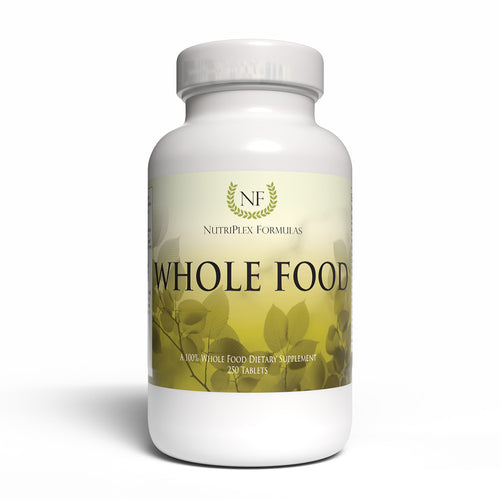
The Whole Food Formulas product line uses nutritional yeast as an ingredient in Whole Food, the company's whole food "multivitamin." This is the only current WFF product that contains nutritional yeast as a direct ingredient.
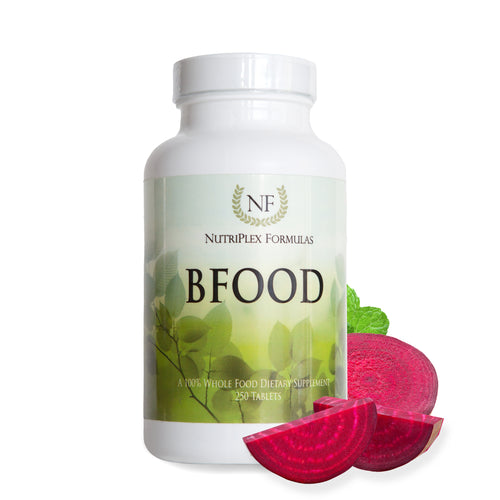
BFood, the whole food B-complex supplement, contains B vitamins from a different combination of whole foods — wheat germ, bovine liver, barley malt, organic beet, oat bran, astragalus, fig, sunflower seed, and date. These foods each contribute B vitamins along with their own cofactors and supporting nutrients. For a closer look at how a whole food B complex compares to synthetic supplements, see Why a Whole Food B Complex Beats Synthetic B Vitamins.
Both approaches — nutritional yeast in your diet and a whole food B-complex supplement — provide B vitamins in the form your body recognizes and can use. They complement each other. The yeast adds B vitamins to your daily meals. The supplement provides a concentrated source for deeper support, especially during periods of high stress or when B-vitamin status has been less than optimal for a long time.
Common Questions About Nutritional Yeast
Is nutritional yeast the same as brewer's yeast?
They're the same species (Saccharomyces cerevisiae) but processed differently. Brewer's yeast is a byproduct of beer brewing and has a more bitter flavor. Nutritional yeast is grown specifically as a food product and has a milder, cheesy flavor. Both are good B-vitamin sources.
Can nutritional yeast cause yeast infections or candida overgrowth?
No. One more important note about eating nutritional yeast, especially for women: Contrary to uninformed internet opinions, nutritional yeast does not cause vaginal yeast infections. Most vaginal yeast infections are caused by Candida species, particularly Candida albicans, whereas nutritional yeast is made from deactivated Saccharomyces cerevisiae. In fact, some research has found that Saccharomyces may inhibit the growth and virulence of Candida under certain conditions.
Does nutritional yeast contain B12?
Only fortified varieties contain meaningful amounts of B12. The B12 in fortified nutritional yeast is synthetic (cyanocobalamin), not a naturally occurring food nutrient. If you're relying on nutritional yeast for B12, check whether it's fortified.
Is nutritional yeast safe for people with gluten sensitivities?
Nutritional yeast is naturally gluten-free. However, check labels for cross-contamination if you have celiac disease, as some production facilities also handle gluten-containing grains.
How much nutritional yeast should I eat daily?
1-2 tablespoons daily provides a meaningful contribution of B-complex vitamins. There's no established upper limit — it's a food. Some people eat several tablespoons per day without issue.
Can I cook with nutritional yeast?
Yes, but too much heat can damage some B vitamins. For maximum nutritional benefit, add it to food after cooking — sprinkle on finished dishes rather than cooking it into sauces at high heat.
Does nutritional yeast taste like cheese?
It has a savory, umami flavor that many people describe as "cheesy" or "nutty." It's not identical to cheese, but it fills a similar flavor role in dishes, which is why it's popular in plant-based cooking.
What should I look for on the label?
Look for "unfortified" if you want naturally occurring B vitamins only. Check the ingredient list for synthetic vitamin names (cyanocobalamin, folic acid, thiamine mononitrate) — these indicate fortification. Choose products with minimal ingredients: nutritional yeast, and nothing else.
Products Mentioned in This Article

These statements have not been evaluated by the Food and Drug Administration. This product is not intended to diagnose, treat, cure, or prevent any disease.