
Adrenal Support, B Complex, Caffeine
Why You're Always Tired When You're Sleeping Enough

By now you've probably heard the advice to sleep more, drink more water, exercise, and reduce stress levels. Maybe you've tried to implement these tips — or at least tried to try. But if you're still dragging through the afternoon, still relying on coffee to get past 2pm, still waking up after 7 or 8 hours and feeling like you never slept, this article may help.
If natural supplements for low energy are on your radar, you're onto something. Just know that the answer starts further upstream. Persistent fatigue usually isn't caused by one factor. It's often a pattern — a slow accumulation of nutritional depletion, (too often) caffeine dependence, and a stress-response system may have been running in emergency mode for too long.
This article covers what's happening in your body when you're always tired, and how to fix it.
The Three Layers of Persistent Fatigue
Many people experiencing chronic low energy have a combination of these three factors working together:
Layer 1: Nutritional Depletion
Your cells produce energy in the mitochondria — small structures inside every cell that convert nutrients from food into ATP, the energy molecule your body runs on. This conversion requires B-complex vitamins, magnesium, iron, and other cofactors. When B-vitamin status is less than optimal, the efficiency of cellular energy metabolism can decline.
However, depletion is gradual. You don't wake up one morning with your nutrient status suddenly less than optimal. It builds over months and years of stress, caffeine, refined sugar, and meals that don't provide what your mitochondria need. I had a mentor several decades ago who used to teach that we don't "get" a health problem, we build one.
B-complex vitamins are particularly vulnerable because they are water-soluble. Unlike the fat-soluble vitamins, your body stores only limited amounts of most B vitamins, making a consistent dietary supply especially important. They need to be replenished daily through food. And several common habits deplete them faster than most people realize:
| B-Vitamin Depleter | How It Works |
|---|---|
| Caffeine | Increases urine output, flushing water-soluble B vitamins (especially B1, B12) and vitamin C |
| Refined sugar | Requires B vitamins to metabolize, pulling from existing stores |
| Chronic stress | Increases demand for B vitamins in neurotransmitter and stress hormone production |
| Birth control pills | Documented to lower levels of B6, B12, and folate |
| Alcohol | Impairs absorption of B vitamins in the gut |
| Processed food | Lacks the B vitamins and cofactors found in whole foods |
When B-complex levels are chronically low, the symptoms may not look like a "vitamin deficiency" in the textbook sense. They have been normalized and considered to just look like modern life: fatigue, brain fog, irritability, difficulty focusing, trouble sleeping even when exhausted, and mood instability that you chalk up to stress.
Layer 2: The Caffeine Compensation Cycle
Coffee doesn't create energy. It masks the signals that tell you energy is low.
Caffeine works by blocking adenosine receptors in the brain. Adenosine is the molecule that accumulates throughout the day and gradually makes you feel sleepier. Caffeine temporarily blocks its effects, but it doesn't stop adenosine from building up. As the caffeine wears off, the accumulated adenosine can again bind to its receptors, often leading to a pronounced wave of fatigue.
And, caffeine triggers adrenaline release. This gives you the feeling of alertness, but it comes at a cost: your adrenal glands are doing extra work, and the stress hormones they produce require B vitamins and vitamin C to manufacture. So each cup of coffee may be masking your fatigue while contributing to the nutritional depletion behind it.
Over months and years, this creates a self-reinforcing cycle:
Fatigue → Coffee → Temporary alertness → Deeper nutrient depletion → Worse fatigue → More coffee
Breaking this cycle doesn't mean quitting coffee overnight. It means addressing the underlying depletion while gradually reducing your dependence on caffeine as a habitual energy source.
Layer 3: Adrenal Compensation
Your adrenal glands sit on top of your kidneys and produce stress hormones — cortisol, adrenaline, norepinephrine. In a healthy system, they activate during genuine emergencies and then rest. But in modern life, the "emergencies" never stop: work deadlines, financial stress, sleep deprivation, traffic, the constant low-grade buzz of being always connected.
When your body lacks sufficient B vitamins to efficiently convert food into usable energy, energy production can become less efficient because these vitamins serve as essential cofactors in the metabolic pathways that generate ATP, the body's primary energy currency.
During times of increased physiological demand, stress hormones such as cortisol and epinephrine help maintain blood glucose and fuel availability by mobilizing stored glycogen from the liver, fatty acids from fat tissue, and, under prolonged stress, amino acids from muscle. This hormonal response is a normal, adaptive mechanism that helps sustain energy production in the short term, but it is not intended to substitute indefinitely for efficient, nutrient-supported metabolism.
When the adrenals run as the primary energy system for months or years, a pattern is created that many people recognize: wired but tired. Exhausted during the day, anxious at night. Needing coffee to start but unable to wind down. Irritable with your family in ways you know are about exhaustion, not about them.
This isn't a disease. It's a compensation pattern. The adrenals are doing what they're designed to do: picking up the slack when the primary energy system is under-fueled. The fix isn't isolating the adrenals. It's restoring the nutritional foundation so they can go back to their normal role.

What Helps
Step 1: Stabilize Blood Sugar
Before anything else, stabilize the daily blood sugar swings that trigger the crash-and-compensate cycle. Give this a try:
- Eat protein and fat at breakfast (eggs, sunflower seeds, almonds)
- Eat every 3-4 hours — small amounts between meals
- Reduce refined sugar and white carbohydrates
- Don't skip meals, especially in the morning
This alone can noticeably reduce afternoon crashes within a few days.

Step 2: Rebuild B-Vitamin Intake Through Food
Your mitochondria need B-complex vitamins to produce energy. The best whole foods include:
- Nutritional yeast — one of the richest whole foods for B-complex
- Beet — contains folate, iron, and nitrates that support oxygen delivery
- Leafy greens — spinach, kale, and chard provide folate and magnesium
- Eggs — B vitamins plus complete protein for blood sugar stability
- Sunflower seeds — B vitamins, magnesium, and glutamine for cellular energy
Add these foods to your regular meals. Sprinkle nutritional yeast on eggs or salads. Roast beets as a side dish. Keep sunflower seeds or almonds at your desk. And, by the way, a good many of these foods are in the NutriPlex Formulas BFood supplement.
Step 3: Reduce Caffeine Gradually
Don't quit cold turkey — that causes headaches and worse fatigue for a week. Instead:
- Week 1: Replace your afternoon coffee with water or ginseng tea
- Week 2: If you drink 3+ cups, drop to 2 in the morning
- Week 3: Settle at 1 cup in the morning, before or with breakfast
Ginseng has been used traditionally as an adaptogen — it supports the body's stress response without the spike-and-crash pattern of caffeine.
Step 4: Support the Stress-Response System
Chronic stress can deplete the same nutrients your mitochondria need for energy production. This creates a double burden: stress increases demand for B vitamins, vitamin C, iodine, iron, and magnesium, to name a few major nutrients, while simultaneously making you too busy or distracted to eat well.
Practical strategies:
- Eat something B-vitamin-rich before your most stressful window. Eggs before the morning rush. Nutritional yeast on your lunch before afternoon meetings.
- 10-15 minutes of quiet before bed. No screens, no phone, no planning. Just stillness. This downregulates the stress-response system and improves sleep quality more than an extra hour of screen-accompanied sleep.
- Daily movement, any form. Walk, stretch, take the stairs, 10 minutes of yoga. A gym membership and a regimented program isn't necessarily required. Just move your body every day. This improves blood flow, oxygen delivery, and nutrient transport to every cell.

Step 5: Consider Targeted Whole Food Supplementation
Food and lifestyle changes solve most everyday fatigue. But if you've been depleted for years — running on caffeine and stress hormones instead of actual nutrition — food alone may not fully close the gap. Or maybe you just don't like the taste of the foods that would help you the most. Then what?
Modern food is less nutrient-dense than it was decades ago. Soil depletion, long storage times, industrial farming methods, loss of nutrients due to the way grocery stores treat their produce, and processing reduce the vitamins and minerals in otherwise "healthful" foods. A whole food B-complex supplement can help accelerate the rebuilding process while your dietary changes take hold.
The key distinction is "whole food." Most B-vitamin supplements on the market are synthetic — chemicals manufactured in a laboratory that are missing the cofactors your body needs to actually use them. They mimic a vitamin, but they are not what your body needs or recognizes. A NutriPlex Formulas whole food supplement provides B vitamins in the same complex your body recognizes from food: with the enzymes, minerals, and co-nutrients that allow them to function.
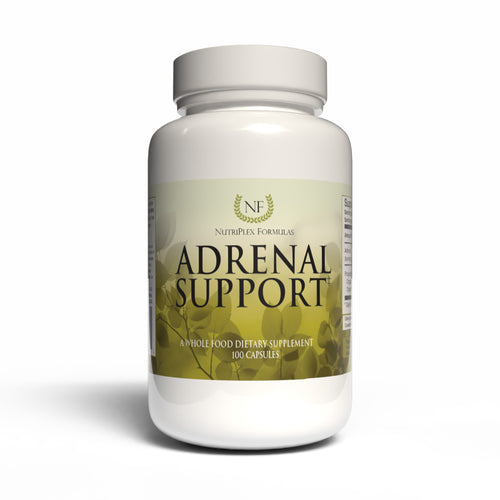
BFood provides a whole food B-complex from foods like wheat germ, beet, oat bran, and bovine liver — foods with a long history of use for energy and vitality. For people whose adrenals have been compensating for a long time, Adrenal Support provides targeted nutritional support for the stress-response system while it recovers.
These work best alongside the food and lifestyle changes described above. Supplements don't replace the foundation — they reinforce it.
How Long Before You Feel a Difference?
Timelines vary, but here's a general picture:
| Change | Timeline |
|---|---|
| Breakfast restructuring (protein + fat) | 3-5 days for noticeable afternoon improvement |
| Regular meal timing (every 3-4 hours) | 1 week for steadier energy throughout the day |
| Afternoon caffeine elimination | 1-2 weeks (may feel worse before better) |
| B-vitamin food rebuilding | 2-4 weeks for cumulative effect |
| Whole food supplementation | A matter of hours for some people, up to a few weeks for gradual rebuilding |
| Adrenal recovery from years of compensation | Weeks to months, depending on the depth of depletion |
The most important thing is consistency. Real, natural healing is a bodily process that takes time. You feed your body the needed nutrients and then nature takes its course.

When to See a Healthcare Practitioner
Most persistent fatigue responds to the nutritional and lifestyle changes described here. But fatigue can also be a symptom of conditions that need more serious attention:
- Thyroid dysfunction
- Iron-deficiency anemia
- Sleep apnea
- Depression
- Diabetes or blood sugar disorders
- Autoimmune conditions
If you've been making changes for a month and nothing's budging, it's worth talking to your healthcare practitioner to explore root causes further.
Frequently Asked Questions
Why don't regular B-vitamin supplements help my energy?
Most B-vitamin supplements are synthetic — manufactured chemicals that lack the cofactors found in whole foods. Those isolated compounds are not the same thing as a B vitamin still contained within its food, with the cofactors that come with it. Whole food B-complex supplements retain these natural cofactors.
Can stress alone cause fatigue?
Yes. Chronic stress increases the demand for B vitamins, vitamin C, and magnesium — all nutrients involved in energy production. Stress hormones also constrict blood vessels, reducing oxygen delivery to tissues. Over time, this can leave energy production less efficient, even in people who eat reasonably well.
Is "adrenal fatigue" a real thing?
The term is debated in conventional medicine, but the underlying pattern is well-documented: chronic stress leading to an overworked stress-response system that becomes less effective over time. Whether you call it "adrenal fatigue," "HPA axis dysfunction," or simply "burnout," the nutritional approach is the same — rebuild the depleted nutrients your adrenals need to function.
How much coffee is too much?
One cup in the morning is generally fine (unless you are particularly adversely affected). The problems start with a dependence (needing coffee to function at a baseline level). If you can't go a day without coffee without a headache, that's a sign your body has adapted to the caffeine in ways that aren't serving your energy long-term.
What's the difference between tiredness and fatigue?
Tiredness resolves with rest. Fatigue persists even after sleep. If you consistently wake up tired after adequate sleep, the issue isn't the amount of rest — it's the nutritional and hormonal factors described in this article.
Do energy drinks help?
Energy drinks combine caffeine with sugar and synthetic B vitamins. All three create a temporary spike followed by a deeper crash. And the amounts of sugar and artificial ingredients is alarming. These popular products accelerate the caffeine-fatigue cycle rather than addressing the underlying causes of low energy.
Can I take BFood and Adrenal Support together?
Yes. They address different parts of the same system. BFood feeds the normal energy production pathway (B vitamins for mitochondria). Adrenal Support supports the stress-response system that's been overcompensating. One feeds the primary system, the other helps the backup system recover.
How do I know if my fatigue is nutritional or medical?
Nutritional fatigue tends to follow patterns: worse after meals, worse in the afternoon, better on days when you eat well and sleep well. It also responds to dietary changes within 1-4 weeks. A medical situation may be more constant and won't respond to dietary changes. When in doubt, see your healthcare practitioner.
Products Mentioned in This Article


These statements have not been evaluated by the Food and Drug Administration. This product is not intended to diagnose, treat, cure, or prevent any disease.